Choosing between a fixed-rate vs adjustable-rate mortgage is one of the most important decisions home buyers make. The right mortgage type can significantly impact your monthly payments and long-term financial stability. Whether you’re locking in a predictable rate or considering the flexibility of a lower initial payment, understanding your options is key to making an informed choice.
What Are Fixed-Rate and Adjustable-Rate Mortgages?
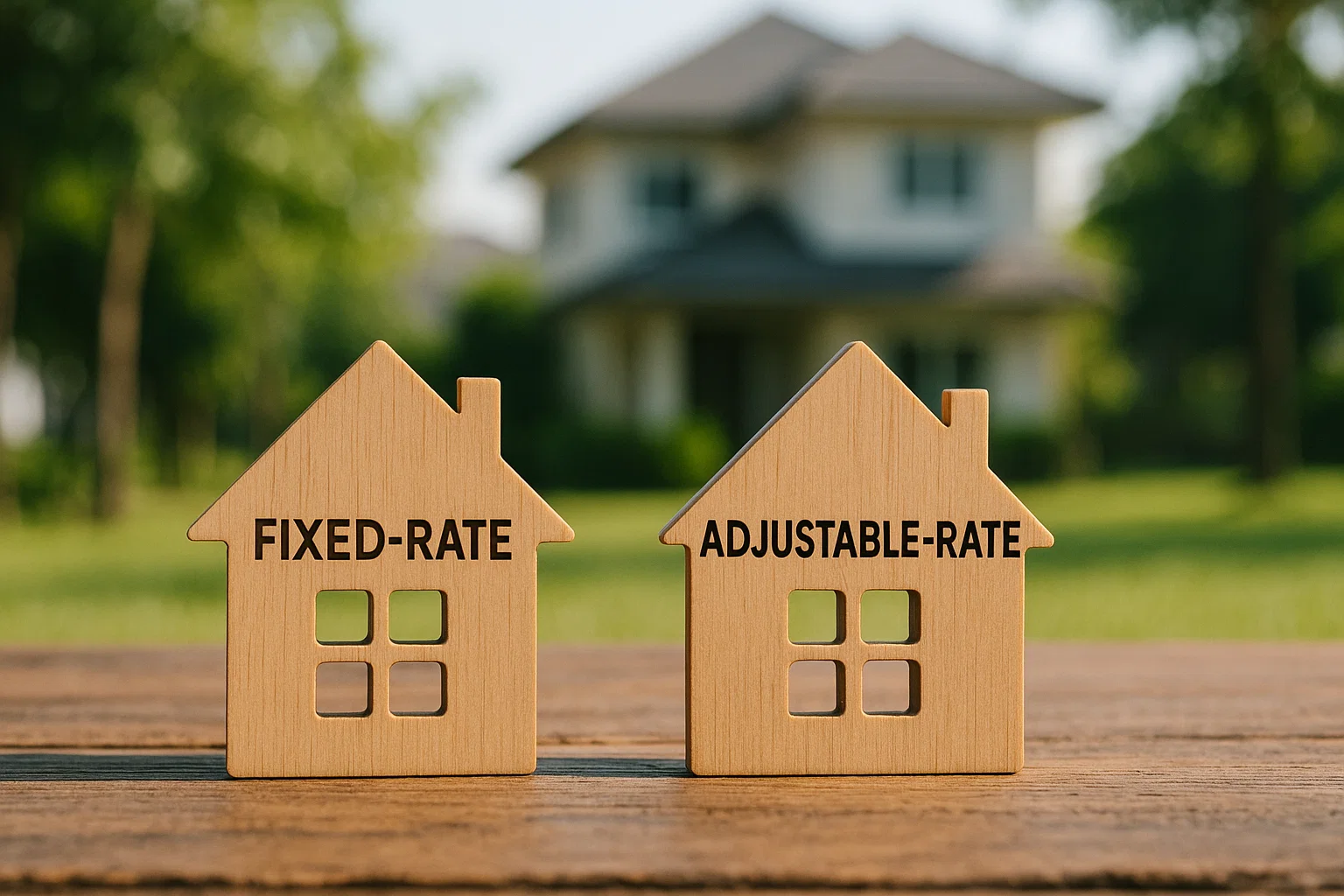
When selecting a mortgage, it’s crucial to understand the two main loan types lenders offer. Fixed-rate mortgages provide stability, while adjustable-rate mortgages introduce flexibility based on market conditions. Knowing the difference helps you choose the option that fits your financial strategy.
Definition of a Fixed-Rate Mortgage
A fixed-rate mortgage locks in your interest rate for the entire loan term. This means your monthly principal and interest payments remain the same, offering security and predictable budgeting. It’s ideal if you plan to stay in the home long-term or prefer consistent payments.
Definition of an Adjustable-Rate Mortgage (ARM)
An adjustable-rate mortgage starts with a lower introductory interest rate, which adjusts periodically based on market rates. After the initial fixed period, monthly payments may increase or decrease. ARMs can be a smart choice if you anticipate selling or refinancing before the rate changes.
Common ARM Terms for both Mortgages
ARMs are often labeled by their fixed and adjustable periods. Common formats include:
-
5/1 ARM: Fixed rate for 5 years, then adjusts annually
-
7/1 ARM: Fixed rate for 7 years, then adjusts annually
-
10/1 ARM: Fixed rate for 10 years, then adjusts annually
These options give you flexibility to match the loan structure to your financial plans.
Pros & Cons of Fixed-Rate Mortgages
Fixed-rate mortgages are a popular choice for many homebuyers because they provide predictability and stability. However, they may not be ideal for everyone. Let’s explore their advantages and drawbacks to help you decide if this loan type matches your long-term financial goals.
Predictable Payments & Budget Stability
A fixed-rate mortgage ensures your interest rate never changes during the loan term. That means:
-
Monthly payments stay consistent from start to finish
-
Easier long-term budgeting
-
No surprises due to fluctuating markets
This stability makes fixed-rate loans ideal for buyers with steady income and long-term plans.
Protection from Interest-Rate Rises
With fixed rates locked in, you’re shielded from future rate hikes. Even if the market spikes, your payment stays the same. This offers peace of mind during uncertain economic times and is especially appealing when rates are low.
Higher Initial Rates & Less Flexibility
Fixed-rate loans generally start higher than adjustable-rate options. This can pose challenges for buyers seeking lower initial payments. Other downsides include:
-
Less flexibility if rates drop significantly
-
Refinancing may be needed to take advantage of lower rates
-
Higher monthly payments compared to ARMs in the beginning
Pros & Risks of Adjustable-Rate Mortgages
Adjustable-rate mortgages (ARMs) can offer short-term benefits, especially for buyers seeking flexibility or lower initial costs. Yet, these same features may become risks depending on market trends and personal circumstances.
Lower Initial Rates Can Save You Money Now
ARMs often start with significantly lower interest rates compared to fixed-rate loans. This can lead to:
-
Lower monthly payments during the introductory period
-
Increased cash flow for other financial goals, like saving or investing
-
Greater affordability in the short term
Risk of Payment Shock When Rates Adjust
Once the introductory period ends, your rate will adjust periodically. This means:
-
Your monthly payments may increase significantly
-
Budgeting becomes less predictable
-
Rising rates could lead to financial strain
This volatility makes ARMs less suitable for buyers planning to stay in their home long term.
Rate Caps, Indices & Other ARM Complexity
ARMs come with features that limit or affect your adjustments, including:
-
Rate Caps: Limits on how much your interest rate can rise
-
Indices: Benchmarks that determine rate adjustments (e.g., SOFR, CMT)
-
Margins: Fixed percentage added to the index
Understanding these terms is crucial when comparing ARM offers.
Best Scenarios for ARMs (Short-Term, Refinancing, or Selling)
ARMs can be a smart choice if:
-
You plan to sell your home within 5–10 years
-
You expect to refinance before the adjustment period
-
You’re confident rates will remain stable or fall
In these scenarios, homeowners can benefit from lower initial payments without facing long-term risks.
Current Market Considerations and Rate Trends
Understanding current mortgage rate trends helps you make an informed decision. Rates shift based on economic conditions, policy changes, and demand. Analyzing these factors helps buyers identify the best timing for choosing between fixed vs adjustable-rate mortgages.
Where Mortgage Rates Stand Right Now
Mortgage rates have fluctuated over recent months. Current data shows:
-
Rates are hovering above historical lows but remain below long-term averages
-
Fixed-rate loans offer stability during uncertain economic cycles
-
Adjustable-rate loans start lower but may rise after the initial period
Buyers should compare rates regularly before locking their choice.
Forecasts and Economic Factors to Watch
Several key factors influence rate movements:
-
Inflation: Higher inflation usually pushes rates up
-
Federal Reserve policy: Rate increases aim to control economic growth
-
Bond yields: Fixed mortgage rates often move with Treasury yields
Keeping an eye on these economic indicators helps predict future mortgage costs.
How Rate Trends Could Impact Your Mortgage Choice
Your mortgage strategy should align with market drivers:
-
If rates are rising, a fixed-rate loan protects long-term affordability
-
If rates may drop, an adjustable option offers flexibility and potential savings
-
Staying informed helps you choose between stability and short-term savings

Deciding Which Mortgage Is Right for You
Choosing the right mortgage depends on your goals, plans, and financial comfort. Evaluating your personal situation is key to selecting a loan type that aligns with your strategy.
How Long You Plan to Stay in the Home
Consider your long-term plans:
-
Staying over ten years favors fixed-rate stability
-
Moving within five to seven years makes ARMs more appealing
-
Short-term homeowners may benefit from lower initial ARM rates
Time in the home directly impacts your total loan cost.
Your Risk Tolerance and Budget Flexibility
Ask yourself:
-
Can you manage potential payment increases
-
Do you need a predictable payment plan
-
Would you be comfortable with payment fluctuations in exchange for savings
Your budget and comfort with risk determines the best fit.
Your Likelihood of Refinancing or Selling in the Future
If you plan to refinance or sell:
-
ARMs offer immediate savings with lower initial rates
-
Fixed loans lock in stability, even if rates rise later
-
Evaluate refinancing potential and equity-building pace
Use your future plans to guide your mortgage choice.
How to Estimate Your Costs and Savings
Comparing fixed and adjustable mortgage costs helps clarify long-term affordability. Accurate estimates prevent surprises and assist with better financial planning.
Calculating Your Monthly Payment for Both Types
Use a mortgage calculator to compare:
-
Interest rate differences
-
Principal and interest payment amounts
-
Impact of rate adjustments after the initial period
Many lender sites and financial tools provide easy monthly payment breakdowns.
Projecting Long-Term Interest Cost for Fixed vs ARM
Long-term cost matters when building financial stability:
-
Fixed loans often result in higher early payments but total predictability
-
ARMs may cost less upfront but more over time if rates rise
-
Compare total interest paid over the loan period
Forecasting helps weigh overall financial impact.
Break-Even Analysis: When ARM Savings Outweigh Risk
Break-even analysis shows when early savings justify ARM risk:
-
Compare initial ARM savings to potential future increases
-
Identify the point where ARM costs match fixed-rate costs
-
Helps determine if short-term ARM is financially sound
This analysis supports smarter decision-making, especially for short-term homeowners.
Final Thoughts
Choosing between a fixed or adjustable-rate mortgage depends on your goals, risk tolerance, and financial future. Understanding market trends and assessing your timeline guide the best decision. Work with a trusted lending team to evaluate rates, run comparisons, and create a strategy that meets your needs.
Ready to find the best mortgage fit? Contact JL Lending Team today to explore your options and get expert guidance.