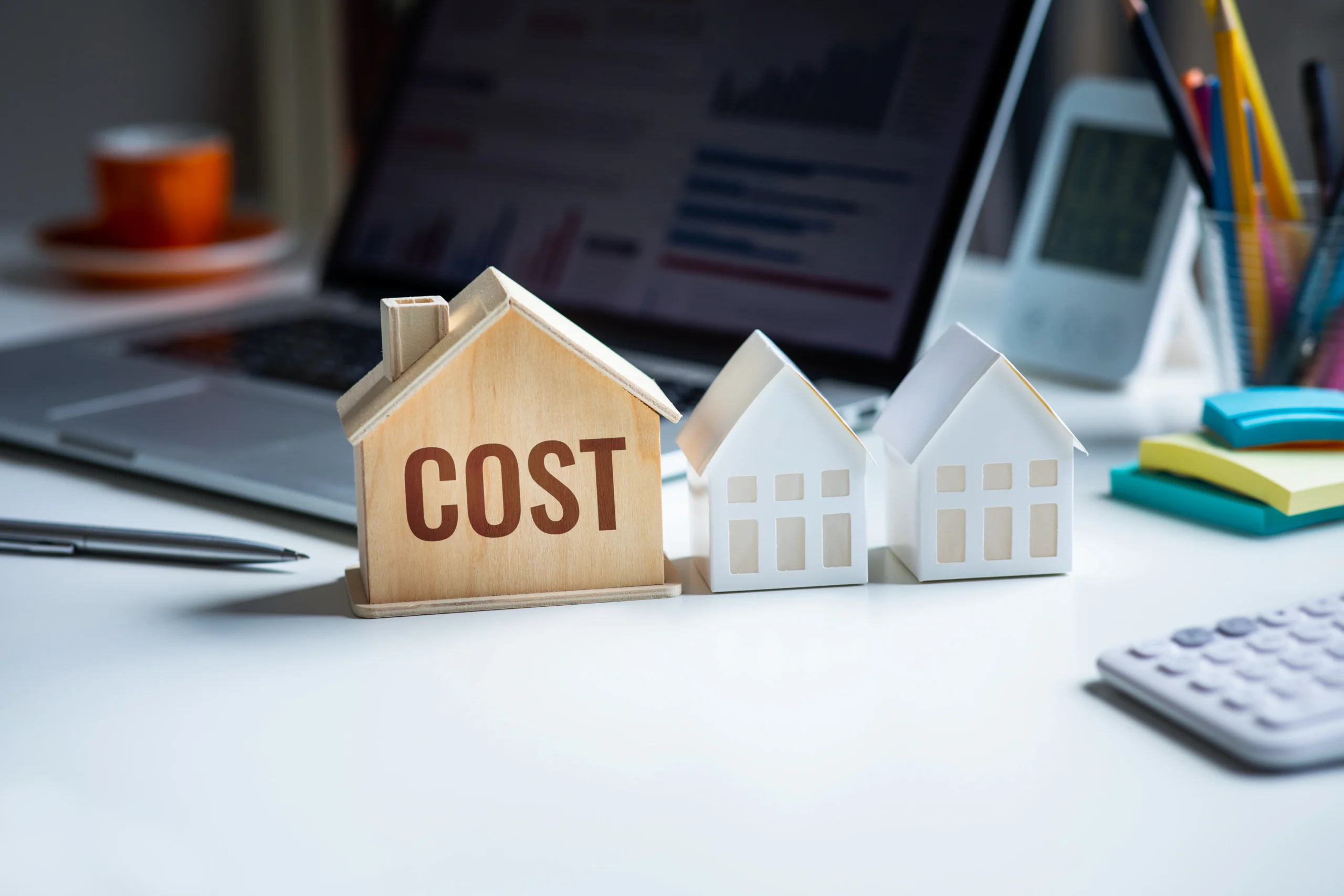
Closing costs are an important part of every home purchase or refinance, yet many borrowers are unsure what they include. Understanding these costs helps you plan your budget more accurately and avoid surprises on closing day. When you know where each fee comes from and how it affects your loan, you can make confident decisions and explore ways to save money throughout the process.
What Closing Costs Actually Include
Closing costs are made up of several categories that cover lender charges, third-party services, prepaid expenses, and government fees. Each cost plays a role in completing your loan and transferring ownership. Knowing these categories helps you understand your final settlement statement and identify areas where savings may be possible.
Lender Fees and Loan Origination Charges
Lender fees often cover the administrative work required to review, process, and approve your loan. These charges may include underwriting fees, origination fees, processing fees, and document preparation. They represent the cost of delivering your mortgage and completing essential loan tasks.
Third-Party Services: Appraisal, Credit Report, and Title Work
Many closing costs come from outside services that the lender orders on your behalf. These may include:
-
A professional home appraisal
-
A credit report pull
-
Title search and title insurance
Each service ensures the property is valued correctly, the title is clear, and your financial profile is verified.
Escrow, Prepaids, and Initial Deposits
Escrow and prepaid items include expenses collected at closing to set up your tax and insurance accounts. These may include homeowner’s insurance premiums, property tax deposits, and prepaid interest. These costs ensure your loan is funded with accurate and up-to-date housing expenses.
Government Recording Fees and Transfer Taxes
Local governments charge fees to record your deed and mortgage documents. Transfer taxes or recording fees help officially update property ownership records. These charges vary by state and city, but they are a standard part of every closing.
Optional Costs: Points, Buydowns, and Homeowner Services
Some closing costs are optional and depend on your loan strategy. Discount points, for example, let you pay more upfront to secure a lower interest rate. Other optional services may include home warranties or rate buydowns designed to reduce your monthly payments.
How Much Closing Costs Typically Range
Closing costs usually fall between two and five percent of the total loan amount. The exact amount depends on your loan program, the property’s value, and fees charged by lenders and third-party providers. Understanding these ranges helps you set a realistic budget before applying.
Average Closing Cost Percentage by Loan Type
Different loan programs come with different fee structures.
-
Conventional loans typically range between two and four percent
-
VA loans often reduce some fees and limit certain costs
These differences make loan program selection an important part of planning.
How Property Price, Loan Program, and Location Affect Costs
Higher-priced homes often carry larger third-party and title fees. Loan program requirements may also add or remove certain charges. Closing costs vary by state, county, and city due to local tax rates, service pricing, and recording fees.
High-Cost vs Low-Cost States: What Borrowers Should Expect
Some states have higher average costs due to transfer taxes and title fees. Others offer lower ranges with fewer mandatory charges. Borrowers should review local averages to understand what closing expenses typically look like in their area.
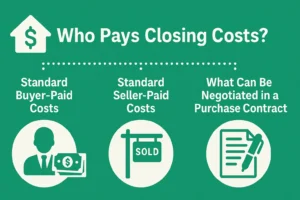
Who Pays Closing Costs? Buyer vs Seller Responsibilities
Closing costs are shared between the seller and the buyer, but the exact breakdown depends on local norms and contract terms. Understanding who pays what helps you negotiate more effectively.
Standard Buyer-Paid Costs
Buyers usually pay for lender-related charges, appraisal fees, credit reports, title insurance for the lender, escrow deposits, and inspections. These costs apply to most purchase and refinance transactions.
Standard Seller-Paid Costs
Sellers commonly cover real estate agent commissions, transfer taxes in some areas, and title insurance for the buyer depending on local customs. Sellers may also pay part of the buyer’s closing costs depending on negotiations.
What Can Be Negotiated in a Purchase Contract
Many closing costs can be negotiated. Buyers may request seller credits, split fees, or reduced charges on optional services. Strong negotiation helps lower your upfront expenses and improve your overall loan structure.
Smart Ways to Reduce Your Closing Costs
Borrowers can lower closing costs by comparing lenders, asking questions, and choosing the right loan structure. Understanding your options can help you save money before finalizing your loan.
Compare Lender Fees and Request a Loan Estimate
Reviewing multiple lender quotes shows you how fees differ. The Loan Estimate gives a clear breakdown of all charges, helping you compare costs and choose the best option.
Use Seller Credits and Negotiation Strategies
Seller credits can cover part of your closing costs. You may negotiate credits based on home repairs, inspection results, or seller motivation. These strategies help reduce your upfront expenses.
Explore Lender Credits or No-Cost Loan Options
Lender credits allow you to accept a slightly higher interest rate in exchange for reduced closing costs. No-cost loans may work for borrowers planning short-term ownership or future refinancing.
Improve Your Credit to Qualify for Lower Pricing
A higher credit score can reduce lender fees and interest rates. Lower pricing reduces long-term loan costs and may reduce prepaid expenses or required reserves.
Avoid Unnecessary Add-Ons and Duplicate Services
Some optional services, such as home warranties or add-on insurance, may not be required. Reviewing your closing disclosure helps ensure you pay only for services you need.
Should You Consider Rolling Closing Costs Into Your Loan?
Some borrowers choose to roll closing costs into their loan to reduce upfront expenses. This option increases the total loan amount and long-term interest, but it can help buyers who want to conserve cash at closing. Understanding when it makes sense helps you make a confident financial decision.
Pros and Cons of Financing Closing Costs
Financing closing costs lets you keep more cash available for moving and home expenses. It also lowers your upfront payment. However, it increases your loan balance and total interest paid over time. Borrowers should compare both options before deciding.
When Rolling Costs In Makes Financial Sense
Rolling costs into the loan may work well if you prefer to keep your savings intact. It can also help when interest rates are low or when you expect future income growth. This option offers flexibility for buyers who need reduced upfront spending.
When You Should Avoid This Option
Avoid rolling costs in if you want the lowest long-term loan costs or have available funds. It may also be unwise if you plan to sell soon, since a higher loan balance could reduce your equity. Staying aware of these factors protects your financial goals.
Closing Cost Tips for First-Time Homebuyers
First-time homebuyers can manage closing costs more easily by planning early and exploring assistance programs. Understanding these tips helps you stay prepared and avoid unnecessary financial stress during the homebuying process.
How to Budget for Closing Costs Early
Start saving for closing costs as soon as you begin your home search. Set aside a percentage of your target home price to stay on track. Early budgeting ensures you are ready when it is time to close.
Down Payment Assistance and Grant Programs
Many local and state programs offer grants or assistance to help with down payments and closing costs. These programs reduce upfront expenses and make homeownership more accessible for qualifying buyers.
What to Ask Your Lender Before Finalizing Your Loan
Before closing, ask your lender for a detailed explanation of all fees. Confirm which costs are required and which are optional. Clear communication helps you identify savings opportunities and prepare for closing day with confidence.
Conclusion
Closing costs are a key part of every mortgage, and understanding them helps you avoid surprises on closing day. When you know what these fees include and how to reduce them, you can plan with confidence and stay within your budget. By comparing lenders, exploring credits, and reviewing your documents carefully, you can lower your upfront expenses and make smarter decisions throughout the homebuying process.
FAQs
What are closing costs on a mortgage?
Closing costs are the fees required to complete your home purchase or refinance. They include lender charges, third-party services, prepaid expenses, and government recording fees.
How much should I expect to pay in closing costs?
Most borrowers pay between two and five percent of the loan amount. Exact costs depend on your loan program, property location, and third-party service fees.
Can closing costs be negotiated?
Yes. Buyers can negotiate seller credits, ask lenders to reduce certain fees, or choose loan options that offer credits. Reviewing multiple estimates helps identify savings.
Can I roll my closing costs into my loan?
Some loan programs allow you to finance closing costs. This reduces upfront expenses but increases your loan balance and long-term interest.