Buying land requires a different approach than purchasing a home, especially when you need financing. Land loans follow unique rules, and lenders review your plan, the land type, and your long-term goals before they approve the loan. When you understand how land loans work, you can choose the right loan option and prepare a strong application with confidence.
Understanding Land Loans
Land loans help buyers purchase land for future construction, investment, or personal use. These loans follow different guidelines because land offers fewer guarantees than a completed structure. Understanding how land loans work gives you a clear starting point and helps you choose the loan that supports your plans.
What Makes Land Loans Different from Home Loans
Land loans include more risk for lenders because land does not generate income and does not offer the same security as a built home. Lenders review your plans carefully and require stronger financial details. You also need a larger down payment and a clear plan for the land.
Types of Land: Raw, Unimproved, and Improved
Land falls into three main categories:
- Raw land: No utilities or improvements and the hardest to finance.
- Unimproved land: Some access to utilities but still limited development.
- Improved land: Full utility access and easier financing.
Each type offers different opportunities and challenges.
Why Land Type Impacts Financing
Lenders review the land type because it affects risk, value, and development potential. Improved land offers a clear path to construction, so lenders feel more confident. Raw land creates more uncertainty, so lenders require stronger credit, higher down payments, and clear development plans. The land type guides your loan options and total borrowing power.
Loan Options for Buying Land
Buyers can choose from several loan options when they want to purchase land. Each option supports different goals, budgets, and property types. When you understand these choices, you can select the loan that matches your plans and helps you move forward with confidence.
Conventional Bank and Credit Union Land Loans
Banks and credit unions offer land loans for improved, unimproved, and raw land. These lenders review your income, credit, down payment, and land plans before they approve the loan. Conventional land loans work best when the land already has access to utilities or a clear development path. Many buyers choose this option because it offers predictable terms and structured approval guidelines.
USDA Loans for Rural Land Purchases
The USDA supports buyers who want to purchase rural land in eligible areas. USDA loans offer flexible credit rules and low down payment options. These loans work well when you want to build a primary residence on rural property. Buyers often choose USDA programs because they provide affordable financing for qualified locations.
HELOC or Home Equity Loans for Land
A home equity loan or HELOC uses your current home’s equity as collateral. You can use these funds to purchase land without going through a separate land loan process. Many buyers choose this option because rates stay competitive and approval feels simpler. This option works well when you have strong equity and a clear long-term plan.
Construction-to-Permanent Loans
Construction-to-permanent loans help you buy land and build on it with one loan. You purchase the land, complete construction, and convert the loan into a long-term mortgage after the home is finished. This option works well for buyers who want a clear building plan. You gain convenience because you avoid multiple loans and separate closings.
Seller Financing Options
Some landowners offer financing directly when they want a simple sale. You negotiate terms with the seller and set monthly payments without a traditional lender. This option works well when the land does not meet standard lending requirements or when you want a flexible agreement. Many buyers prefer seller financing because it allows easier negotiation and faster approval.
What Lenders Look for When Approving a Land Loan
Lenders review several factors before they approve a land loan. They want to understand your financial strength, the land type, and your long-term plans. When you know what lenders expect, you can prepare a stronger application and improve your approval chances.
Credit Score and Financial Strength
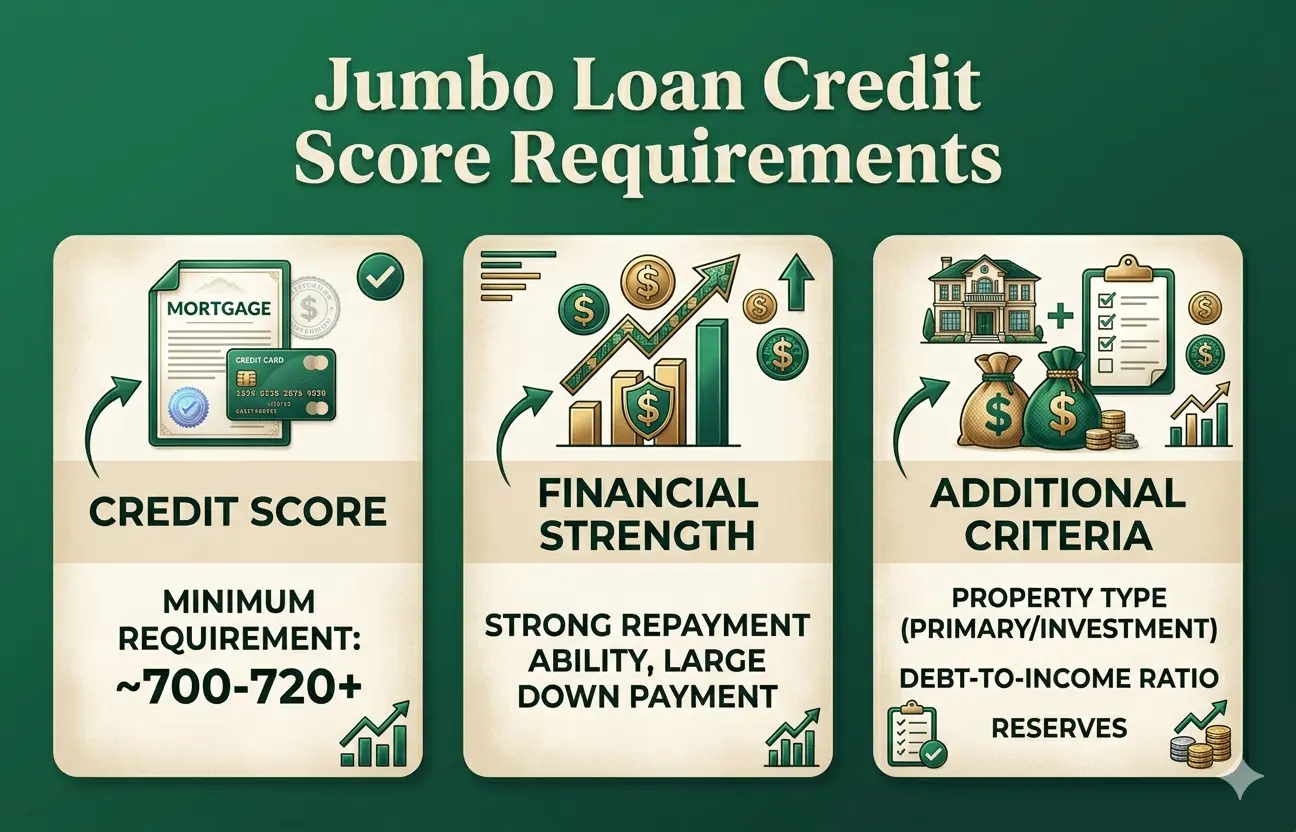
Lenders check your credit score to understand how you manage financial obligations. Strong credit gives you access to better rates and more loan options. You can strengthen your application when you reduce debt and pay bills on time. A solid credit profile helps lenders feel confident in your ability to repay the loan.
Down Payment Requirements and LTV Guidelines
Land loans require larger down payments because lenders face more risk. You often need twenty to fifty percent down based on the land type. Raw land usually needs the highest down payment, while improved land needs less. A stronger down payment gives you better terms and helps reduce overall loan costs.
Income, DTI, and Ability to Repay
Lenders review your income and debt-to-income ratio to confirm that you can handle monthly payments. You show financial strength when your DTI stays low and your income remains stable. A healthy balance between income and debt improves your approval odds. Lenders want to see clear evidence that you can repay the loan comfortably.
Your Plan for the Land (Short- and Long-Term Use)
Lenders want to understand how you plan to use the land. You improve your chances when you share a clear plan for building, development, or investment. A detailed plan reduces uncertainty and increases lender confidence. Your intended use also helps determine which loan options work best.
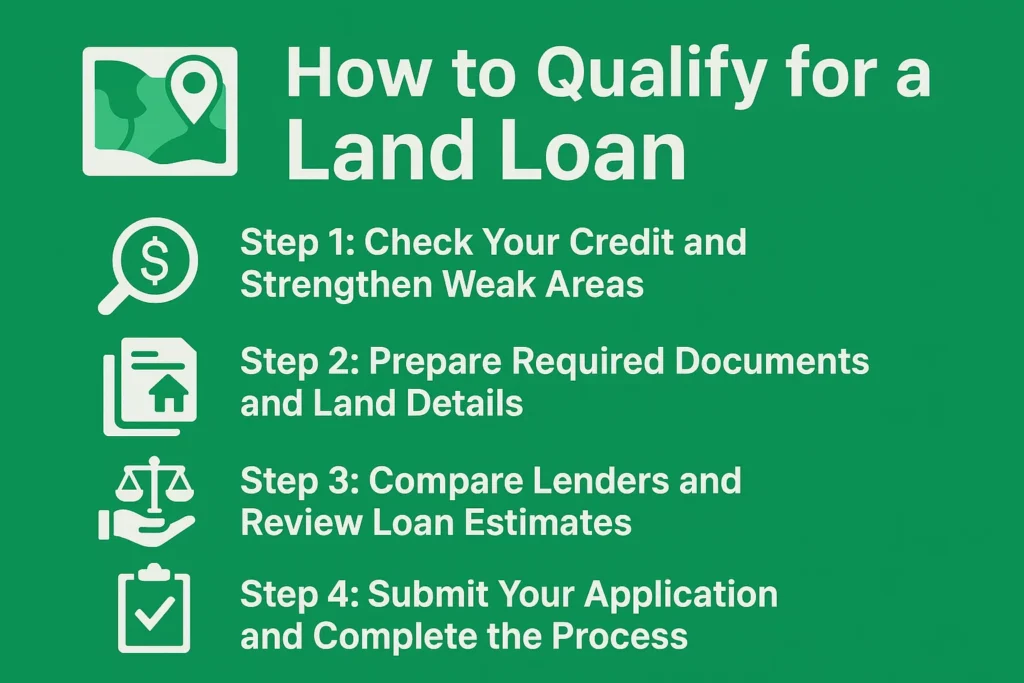
How to Qualify for a Land Loan
You can qualify for a land loan when you prepare early and understand lender expectations. Each step helps you strengthen your financial profile and present a complete, well-organized application. A clear process supports faster approval and better loan options.
Step 1: Check Your Credit and Strengthen Weak Areas
- Review your credit report for errors and outdated information.
- Reduce credit card balances to improve your credit score.
- Pay every bill on time to show consistent financial habits.
- Improve your score early so you secure better rates and loan options.
Step 2: Prepare Required Documents and Land Details
- Gather pay stubs, tax returns, bank statements, and identification.
- Collect property details, including zoning, access, and location data.
- Organize your documents to support faster approval and fewer delays.
- Share complete information so lenders understand your goals clearly.
Step 3: Compare Lenders and Review Loan Estimates
- Request loan estimates from multiple lenders for accurate comparisons.
- Review down payment rules, rates, and total monthly payments.
- Study each estimate to understand long-term costs and budget impact.
- Choose the lender who supports your goals with clear and fair terms.
Step 4: Submit Your Application and Complete the Process
- Complete your lender’s application and upload every required document.
- Respond quickly to requests for updates or additional details.
- Communicate clearly to keep the approval process moving forward.
- Sign your loan documents and complete your purchase after approval.
Costs to Expect When Buying Land
Land purchases include several upfront and long-term costs that you must understand before you apply for financing. These expenses vary based on the land type, location, and development plans. When you prepare for these costs early, you can avoid surprises and build a more accurate budget.
Surveys, Soil Tests, and Environmental Reports
You may need surveys to confirm boundaries and soil tests to understand land stability. Many properties also need environmental reports to confirm safe conditions. These evaluations help you avoid costly issues and protect your investment. Each report supports a clear and informed purchase decision.
Property Taxes, Utility Access, and Zoning Costs
Property taxes vary based on location and land value. You also need to check utility access because some properties require expensive hookups or extensions. Zoning fees may apply when you change how you plan to use the land. These costs help you understand long-term financial responsibilities.
Insurance and Long-Term Ownership Expenses
Land insurance protects you from liability risks and unexpected issues. You also need to budget for maintenance costs, local assessments, and seasonal upkeep. These expenses vary based on land size and location. A complete budget helps you plan long-term costs more effectively.
Pros and Cons of Using a Loan to Buy Land
Using a loan to buy land offers strong advantages, but you also need to understand the potential challenges. Comparing both sides helps you decide whether financing supports your long-term goals.
| Pros | Cons |
|---|---|
| Buyers keep more cash on hand for development or emergencies. | Land loans require larger down payments than home loans. |
| Financing helps buyers secure land sooner instead of waiting to save. | Interest rates often run higher because lenders face more risk. |
| Buyers gain access to better properties and stronger locations. | Some land types require strict documentation and clear development plans. |
| Financing supports long-term planning for building or investment goals. | Raw land can create approval challenges and higher upfront costs. |
Tips to Improve Your Chances of Approval
You can increase your approval odds when you prepare early and present a clear financial plan. These tips help you strengthen your application and show lenders that you understand the responsibilities of owning land.
Increase Your Down Payment
A larger down payment reduces lender risk and helps you secure better terms. You also lower your loan amount and improve your long-term budget. Saving early gives you more flexibility and stronger approval odds. Buyers often aim for twenty to thirty percent to build a solid foundation.
Work with Local Lenders Who Know the Market
Local lenders understand zoning rules, land values, and neighborhood trends. Their experience helps you navigate unique challenges more easily. You gain clearer guidance because they know the area well. Local insight makes the loan process smoother and faster.
Present a Clear and Realistic Plan for the Property
Lenders want to see your purpose for the land and your long-term plans. Share details about building, development, or investment goals. A clear plan shows responsibility and reduces uncertainty. This approach helps you secure approval and move forward confidently.
Conclusion
Buying land requires clear planning, strong financial preparation, and a solid understanding of loan options. When you review the land type, compare lenders, and prepare accurate documents, you create a smoother path toward approval. A land loan gives you the chance to build, invest, or secure property for future goals. With the right approach, you can choose the loan that supports your vision and move forward with confidence.
Frequently Asked Questions
Most lenders want a strong credit score because land loans include more risk. Higher scores help you secure better rates and easier approval.
Down payments often range from twenty to fifty percent based on the land type. Improved land usually needs less money up front.
Yes, but you face stricter guidelines and higher down payment expectations. You also need a clear plan that outlines your long-term goals.
Yes, many buyers use land loans first and choose construction financing later. A clear building plan helps you prepare for both steps.