
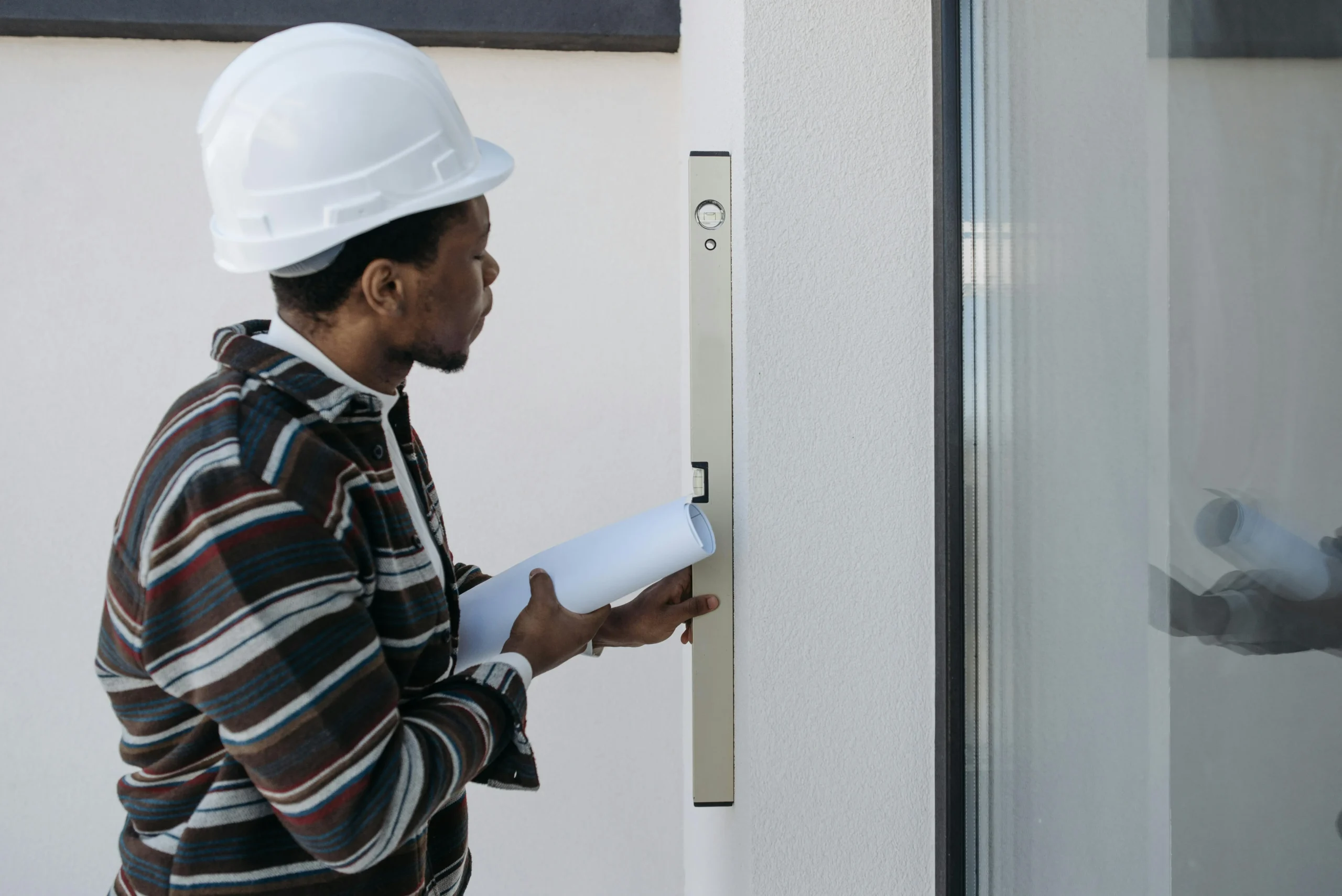
A Winter Home Inspection Checklist is your best tool for finding hidden problems that only show up when the weather turns cold and snowy.
Our guide uses the latest 2026 safety standards to help you spot big issues like frozen pipes or roof leaks before they cost you thousands of dollars.
By following these simple steps, you can feel confident that your home is ready to handle the toughest winter storms.
Why You Need a Winter Home Inspection
Winter is a tough season for any building. The cold air, ice, and heavy snow put a lot of stress on the roof, walls, and heating systems.
A regular check in the spring or summer might miss the drafts or pipe issues that only happen when the temperature drops below freezing.
The Benefits of Checking in 2026
In 2026, we have better tools like thermal cameras that can see exactly where heat is escaping your house.
Doing an inspection now helps you save money on heating bills and keeps your family safe from fire or gas risks.
It is much better to find a small leak today than to deal with a flooded basement in February.
Your Essential Winter Home Inspection Checklist
This list covers the most important parts of your home. You should check these areas at least once every winter to stay ahead of any damage.
1. Heating and Air Systems (HVAC)
Your furnace or heater is the most important part of your home in the winter. If it stops working, your pipes could freeze and your family will be cold.
- Change the Filters: A dirty filter makes your heater work too hard and can cause it to break.
- Check the Vents: Make sure no furniture or curtains are blocking the air vents.
- Listen for Noises: If you hear banging or whistling, it might be time to call a pro.
- Test the Thermostat: Ensure the heat turns on and off at the right temperature.
2. Plumbing and Pipes
Frozen pipes are one of the biggest causes of home damage in the winter. When water freezes, it expands and can pop a metal pipe like a balloon.
- Insulate Exposed Pipes: Use foam sleeves on pipes in the garage, attic, or crawl space.
- Disconnect Hoses: Take garden hoses off the outside faucets so water does not get trapped.
- Look for Slow Drips: Even a tiny drip can freeze and block a pipe completely.
- Know the Main Shut-off: Make sure you know how to turn off the water to the whole house in an emergency.
3. Roof, Gutters, and Attic
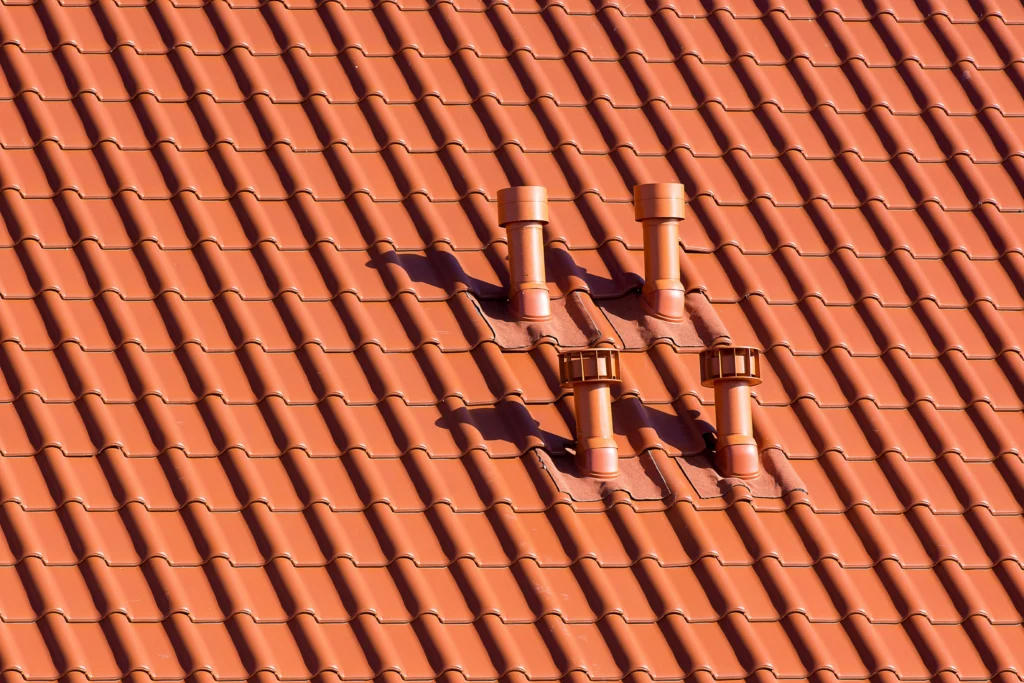
Your roof is your first line of defense against snow. If it is not in good shape, melting ice can seep into your walls.
- Clear the Gutters: Wet leaves can freeze in the gutters and cause “ice dams” that push water under your shingles.
- Check for Ice Dams: Look for big icicles hanging from the roof. This is a sign that heat is escaping through your attic.
- Look at the Attic Insulation: You should have at least 12 inches of insulation to keep the heat inside your living areas.
- Scan for Stains: Look at your ceilings for yellow or brown spots, which mean you have a roof leak.
Navigating the winter market requires a trained eye to spot hidden issues before they become your problem. If you are ready to buy a home with the confidence that it is built to last, reach out to us today to start your journey toward a worry-free property.
4. Windows, Doors, and Insulation
Drafts are not just uncomfortable. They are like throwing money out the window.
- Feel for Drafts: Run your hand along the edges of windows and doors on a windy day.
- Replace Weatherstripping: If the rubber seals are cracked or missing, replace them to keep the cold air out.
- Check the Caulking: Look at the outside of your windows. If the sealant is peeling, add a fresh layer.
- Use Heavy Curtains: Thick drapes can help block the cold glass from chilling your rooms.
Winter Inspection Comparison
This table shows what to look for and how often to check it during the winter months.
| Home Area | What to Look For | How Often | Repair Cost Level |
| Furnace Filter | Dust and Dirt | Every 3 Months | Low |
| Gutters | Ice and Leaves | Once a Month | Medium |
| Exterior Pipes | Ice or Frost | Weekly in Deep Cold | High |
| Attic | Snow Leaks | After Big Storms | High |
| Detectors | Low Battery Beeps | Every Month | Low |
Safety Features You Should Never Skip
In the winter, we use heaters and fireplaces much more. This increases the risk of fire and carbon monoxide gas.
- Test Smoke Alarms: Press the test button to make sure the batteries are still good.
- Check Carbon Monoxide Detectors: This gas has no smell and is very dangerous. You need a working detector on every floor.
- Sweep the Chimney: If you have a wood fireplace, have a pro clean out the soot once a year to prevent chimney fires.
- Inspect Space Heaters: Make sure the cords are not frayed and keep them at least three feet away from blankets or furniture.
How to Save Money on Repairs
Using this Winter Home Inspection Checklist early can save you a lot of money. Small fixes are cheap, but emergency repairs in the middle of a blizzard are very expensive.
- Buy Supplies Early: Get your salt, shovels, and pipe insulation before the first snow hits.
- Do It Yourself: Many things, like changing filters or adding weatherstripping, are easy and cheap to do yourself.
- Hire a Pro for Big Jobs: If your furnace is acting up, pay a small fee for a “tune-up” now instead of paying for a new one later.
Conclusion
Taking the time to walk through your house with a checklist is the best way to have a stress-free winter. When you know your roof is solid and your heater is strong, you can sit back and enjoy the snow without worrying about your home.
Read More 10 Reasons Winter Buyers Have the Advantage in 2026
Frequently Asked Questions
What is an ice dam?
An ice dam is a ridge of ice that forms at the edge of your roof. It stops melting snow from draining off. The water then gets trapped and can leak into your house.
How do I stop my pipes from freezing?
The best way is to keep your heat set to at least 55 degrees, even if you are not home. You can also let a faucet drip slowly during very cold nights to keep the water moving.
Should I clear snow off my roof?
If you have very heavy snow, it can be dangerous. It is usually best to hire a pro with a “roof rake” so you do not fall or damage your shingles.
Why is my house so dry in the winter?
Cold air does not hold much moisture. Using a humidifier can help stop your skin from getting itchy and keep your wooden floors from cracking.