
A USDA Loan in California is a special mortgage that lets you buy a home with zero money down in many parts of the state.
Our guide uses the newest 2026 income and property data to show you how to get a low-rate loan even if you do not have a large savings account.
This guide will walk you through the steps to see if you and your favorite neighborhood qualify for this zero-down program.
What is a USDA Loan?
The USDA loan, also known as the "Rural Development Loan," is backed by the U.S. Department of Agriculture. Its goal is to help people buy homes in less crowded areas.
In 2026, this program is more popular than ever because it allows for 100% financing, meaning you do not need a down payment at all.
Why It Is a Top Choice for 2026
With California home prices reaching new highs, saving for a 20% down payment is hard for many families. The USDA loan removes that hurdle.
In early 2026, the interest rates for these loans are often lower than traditional loans, making your monthly payment much easier to handle.
Buying a home without a down payment is a great start, but keeping your payment low for the next few decades is what builds true wealth.
How to Qualify for a USDA Loan in California
To get one of these loans, both you and the house must meet certain rules. Here is the USDA Loan in California checklist for 2026.
1. The Location Rule
The home must be in an area the USDA calls "rural." However, this does not mean you have to live on a farm.
- Eligible Areas: Many suburbs in the Central Valley, the Inland Empire, and Northern California qualify.
- Population Limits: Generally, towns with fewer than 35,000 people are eligible.
- Check the Map: You can use the official USDA map to see if a specific address is included.
2. Income Limits for 2026
Since this program is for low-to-moderate-income families, there is a "cap" on how much you can earn. In 2026, these limits have been raised to match the cost of living in California.
- Standard Limit: For a family of 1 to 4 people, the limit in many CA counties is around $121,900.
- High-Cost Areas: In places like Riverside or Sonoma, the income limit can be much higher, sometimes over $170,000.
- Household Income: The USDA looks at the total money made by everyone living in the house who is over 18.
3. Credit and Debt Standards
While USDA loans are flexible, you still need to show that you can pay back the loan.
- Credit Score: Most lenders look for a score of at least 640 in 2026.
- Debt-to-Income: Your monthly debts (like car notes and student loans) should usually be less than 41% of your gross monthly pay.
- Steady Work: You generally need a two-year history of steady employment or income.

2026 USDA Income Limits by California Region
This table shows the 2026 income limits for a 1-4 person household in popular California regions.
| California Region | 2026 Income Limit | Typical Eligible Towns |
| Central Valley | $121,900 | Clovis, Porterville, Hanford |
| Inland Empire | $128,650 | Hemet, Temecula (parts), Menifee |
| Sacramento Area | $147,900 | Auburn, Lincoln, Dixon |
| North Coast | $121,900 | Eureka, Arcata, Fortuna |
| Central Coast | $153,750 | Paso Robles, Atascadero |
Advantages of the USDA Program
Choosing a USDA Loan in California comes with perks that other loans do not offer.
- No Down Payment: This is the only non-military loan that allows for 0% down.
- Low Mortgage Insurance: The monthly “guarantee fee” is much lower than the PMI on an FHA loan.
- Flexible Closing Costs: You can often ask the seller to pay your closing costs, or you can roll them into the loan if the home appraises for more than the price.
Navigating the winter market requires a trained eye to spot hidden issues before they become your problem. If you are ready to buy a home with the confidence that it is built to last, reach out to us today to start your journey toward a worry-free property.
Ready to stop dreaming and start owning? Navigating the California market is easier when you have a plan. Contact us today to see if a 30-year fixed loan is the right way for you to buy your first home with zero money down.
Steps to Get Your USDA Loan
Getting started is simple if you follow these four steps:
- Check the Map: Make sure the area where you want to live is USDA-eligible.
- Verify Your Income: Gather your last two years of tax returns and your recent pay stubs.
- Get Pre-Approved: Talk to a lender who knows the USDA program well.
- Find a Home: Work with an agent who understands how to write an offer for a USDA buyer.
Navigating the 2026 market is much easier when you have the right financing. To protect your budget for the long term, you can combine these zero-down benefits with a 30-year fixed loan, visit us to see how we help you lock in a stable payment for your new home.
Read More 10 Most Affordable Places to Buy a Home in California in 2026
Frequently Asked Questions
Can I buy a house with a pool using a USDA loan?
In the past, this was difficult, but in 2026, you can buy a home with a pool as long as the home meets the other value and safety rules.
Is there a maximum home price?
There is no set “limit” like an FHA loan, but your income must be high enough to support the monthly payment while still staying under the income cap.
Do I have to be a first-time buyer?
No! You can use a USDA loan even if you have owned a home before, as long as the new home will be your primary residence and is in an eligible area.
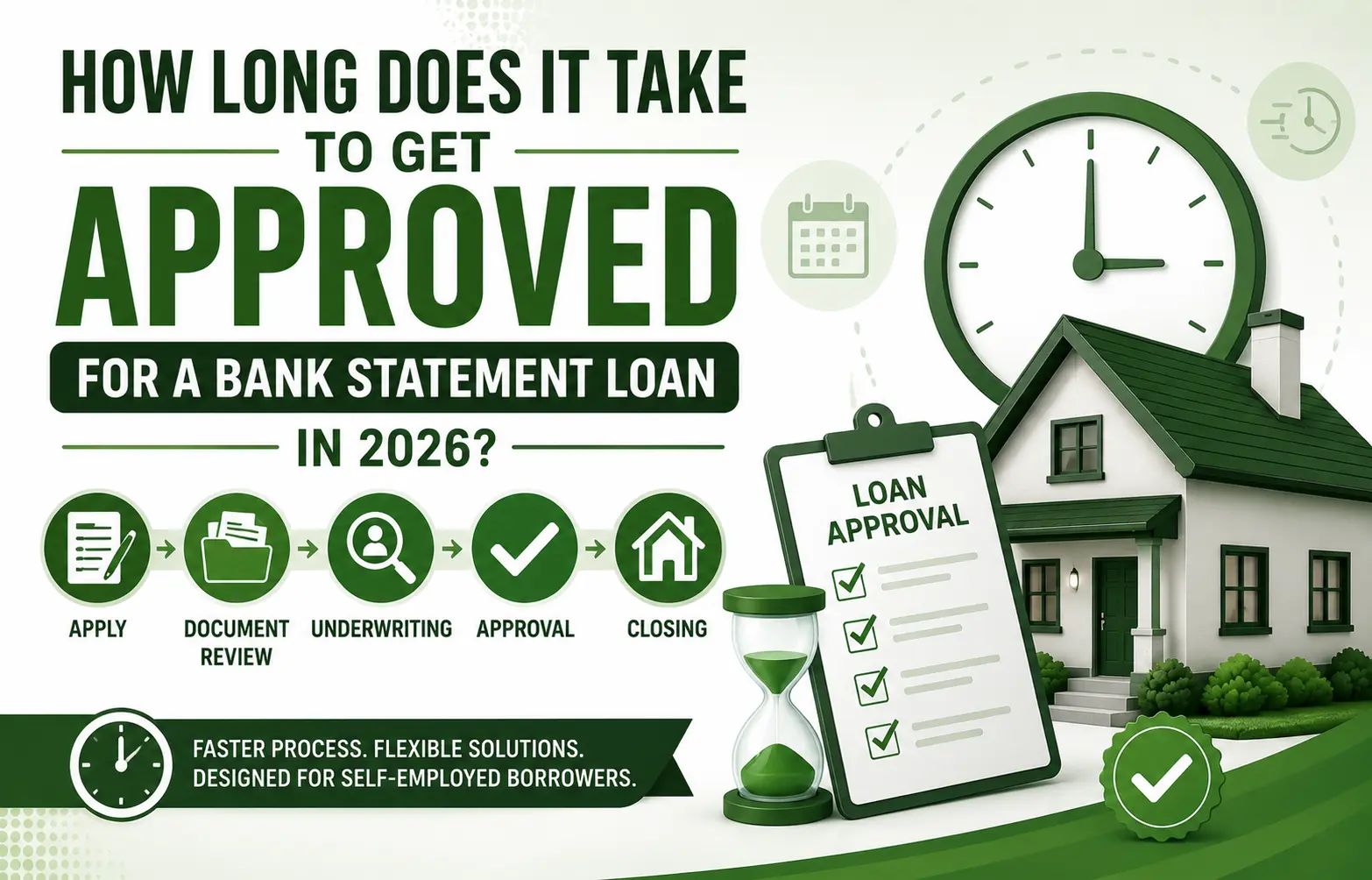
How long does the closing take?
In 2026, USDA loans usually take about 30 to 45 days to close, which is very similar to a standard loan.