
Before you start house hunting, you need one number: How much house can I afford without stressing my budget?
This isn’t just about what a lender approves. It’s about what you can comfortably afford every month while still enjoying life.
Let’s make it simple.
How Much House Can I Afford?
Step 1: Know Your Monthly Income
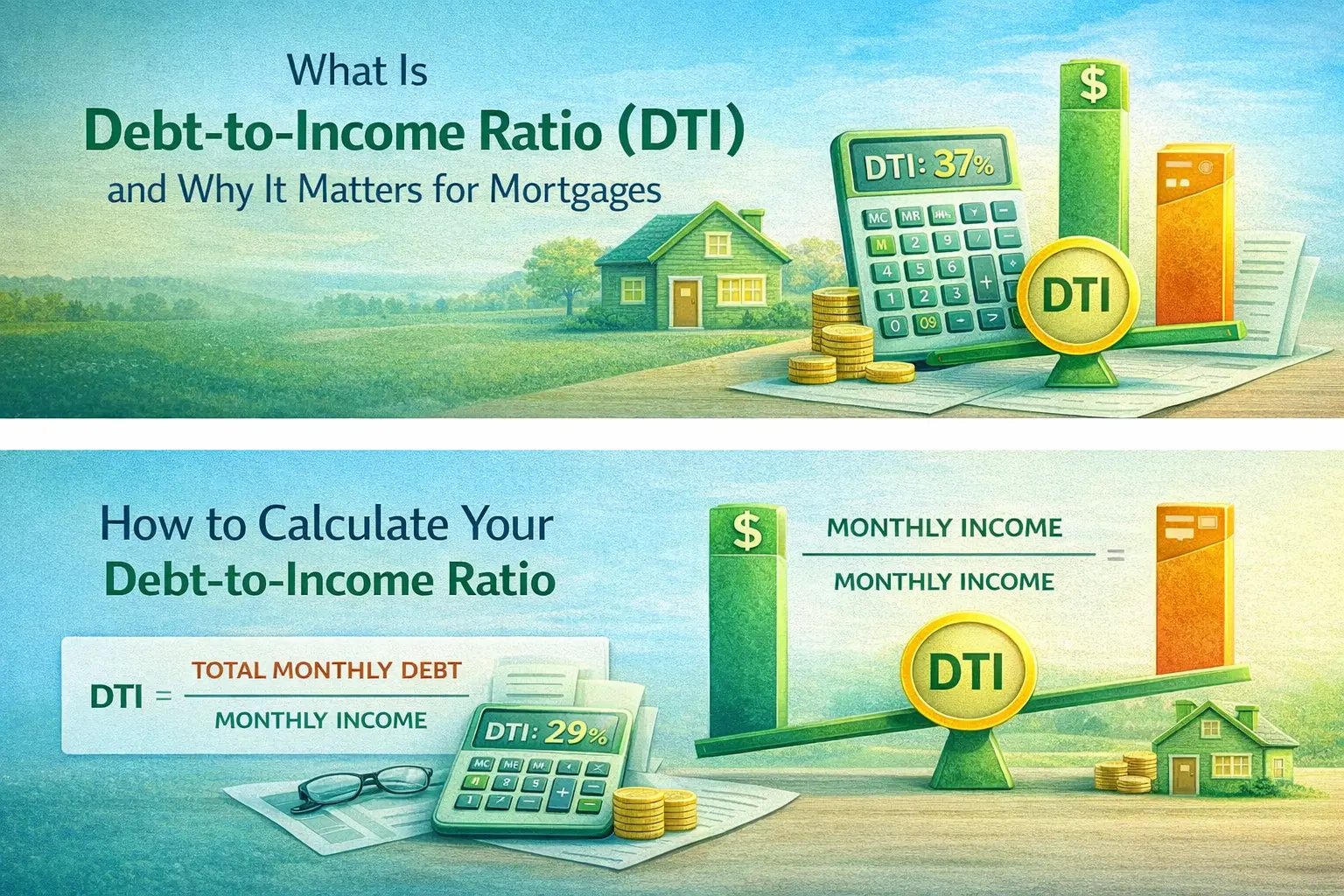
Start with your gross monthly income (before taxes).
Example:
- Annual income = $84,000
- Monthly income = $7,000
This number is the base lenders use to calculate affordability.
Step 2: Understand the 28/36 Rule
Most lenders use this rule to decide safe borrowing limits.
28% Rule – Housing Costs
Your monthly housing payment should stay under 28% of your income.
$7,000 × 0.28 = $1,960
36% Rule – Total Debt
All monthly debts (house + other loans) should stay under 36% of income.
$7,000 × 0.36 = $2,520
If your other debts are $600:
$2,520 – $600 = $1,920 for housing
That’s your estimated affordable payment range.
Step 3: What’s Included in Your Monthly House Payment?
Many buyers forget this part. Your payment includes more than just the loan.
Your total housing cost usually includes:
- Mortgage principal & interest
- Property taxes
- Homeowners insurance
- Mortgage insurance (if down payment is low)
- HOA fees (if applicable)
This full amount is called PITI.

Step 4: Your Down Payment Changes Everything
Your down payment directly affects affordability.
| Down Payment | What It Means |
| Higher down payment | Lower loan amount, smaller monthly payment |
| Lower down payment | Higher payment, possible mortgage insurance |
Loan programs that may help:
- FHA loans – As low as 3.5% down
- Conventional loans – As low as 3% down
- VA loans – 0% down for eligible veterans
- USDA loans – 0% down for rural areas
Different loans = different buying power.
Step 5: Credit Score = Buying Power
Your credit score impacts your interest rate.
- Higher score → Lower rate → Lower payment
- Lower score → Higher rate → Higher payment
Even a 1% rate difference can change your budget by tens of thousands of dollars in home price.
A quick credit review with a lender can show how to improve your buying power.
Step 6: Don’t Forget Upfront Costs
Affording a home is not just about the monthly payment.
You’ll also need:
- Down payment
- Closing costs (2%–5% of the home price)
- Moving expenses
- Emergency savings for repairs
A home is affordable only if you can handle both monthly payments AND upfront costs.
Quick Affordability Example
Let’s say:
- Monthly income = $6,500
- Other debts = $500
36% rule:
👉 $6,500 × 0.36 = $2,340
👉 $2,340 – $500 = $1,840 housing budget
Depending on taxes and rates, this might equal a home price around $275,000–$325,000 (estimate).
Your real number depends on your credit, loan type, and location.
Why Online Calculators Are Only a Starting Point
Online tools give rough estimates. They don’t include:
- Your real credit score
- Local property taxes
- Insurance costs
- Loan program options
That’s why two people with the same income may qualify for very different home prices.
The Smart Next Step: Get Pre-Approved
Pre-approval gives you:
- A personalized home price range
- Accurate monthly payment estimates
- Stronger offers when you find a home
Want to know exactly how much house you can afford?
Our team can review your income, credit, and loan options to give you a clear number, with no guesswork.
Key Takeaways
✔ Your income and debts set your affordability range
✔ Lenders use the 28/36 rule for safety
✔ Taxes and insurance are part of your payment
✔ Credit score and down payment change your buying power
✔ Pre-approval gives the most accurate answer
Read more Mortgage Pre-Approval vs Pre-Qualification: What’s the Difference?
FAQs
How do I calculate how much house I can afford?
Start with your income, subtract debts, and apply the 28/36 rule. A lender can give a more exact number.
What is included in a mortgage payment?
Principal, interest, property taxes, homeowners insurance, and sometimes mortgage insurance.
Can I buy a house with low income?
Yes, depending on your debt, credit, and loan program. FHA, VA, and USDA loans may help.
Does my credit score affect affordability?
Yes. A higher score can lower your rate and increase how much home you can afford.
How much down payment do I need?
It depends on the loan. Some programs allow 0%–3.5% down for qualified buyers.