Buying a foreclosed home can help you secure a property at a lower price, but the process requires careful research and preparation. Foreclosed homes often attract first-time buyers and investors who want strong value and future equity potential. When you understand how foreclosure works and what steps to follow, you can move through the process with confidence and avoid costly surprises.
What Is a Foreclosed Home?
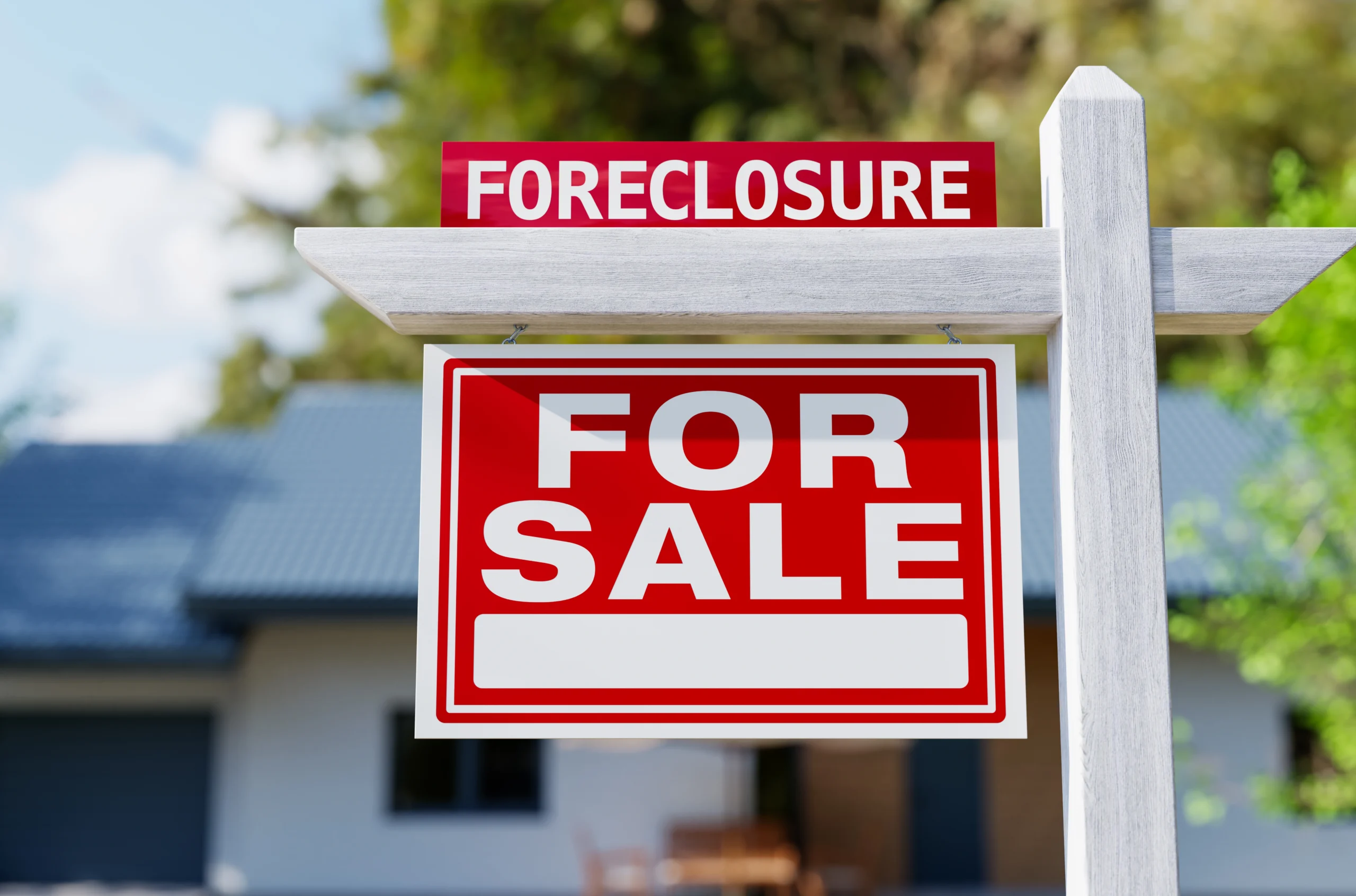
A foreclosed home is a property that a lender takes back after the previous owner stops making mortgage payments. The lender then sells the home to recover the remaining loan balance. Foreclosed homes often sell below market value, which creates strong opportunities for buyers who want lower purchase prices or renovation projects.
How a Home Ends Up in Foreclosure
Foreclosure begins when a homeowner falls behind on mortgage payments and cannot bring the loan current. The lender sends notices, starts the legal process, and eventually takes ownership of the property. Once the lender takes control, it prepares the home for sale and lists it through an agent or auction platform.
Types of Foreclosure Sales
Foreclosed homes come in several stages that affect price, condition, and buying steps.
- Pre-Foreclosure: The owner still holds the property and may sell it to avoid foreclosure.
- Auction: Buyers compete in a public sale and often need cash or fast financing.
- Bank-Owned (REO): The lender owns the property and sells it through a real estate agent.
Each option offers unique benefits and risks, and knowing the differences helps you choose the best path.
Pros and Risks of Buying a Foreclosed Home
Buying a foreclosed home can offer strong financial advantages, but it also requires careful evaluation. You can find great opportunities, yet you must understand the risks before you move forward. This helps you protect your budget and choose a property that supports your long-term goals.
Potential Savings and Equity Opportunities
Foreclosed homes often come with lower prices compared to similar properties in the same area. You may increase your equity quickly when you improve the home or purchase it below market value. Many buyers choose foreclosures because they want strong investment potential and long-term appreciation.
Common Risks, Damage, and Hidden Costs
Some foreclosed properties need repairs because the previous owner could not maintain the home. You may find issues like roof damage, plumbing concerns, or outdated electrical systems. You also handle all repair costs, so you must create a clear budget before making an offer.
Who Buying a Foreclosure Makes Sense For
Buying a foreclosed home works well for buyers who want value, growth potential, and long-term returns. It also works for buyers who do not mind renovations or repairs. Investors, experienced buyers, and motivated first-time buyers often choose foreclosures because they want strong savings and future equity.
How Foreclosure Purchases Differ from Traditional Home Buying
Foreclosure purchases follow a different process than standard home sales. You work with banks, agencies, or auction platforms rather than individual sellers. You also deal with less information about the property, faster timelines, and higher competition. Understanding these differences helps you prepare for each step.
Who You Buy From: Banks, Auctions, and Agencies
You interact with banks when you buy a real estate owned property. You use auction platforms when you purchase at a courthouse sale or online auction. You also work with government agencies when you buy certain foreclosed properties. Each source uses a different process and timeline.
As-Is Condition and Limited Seller Disclosures
Banks and agencies do not repair the home before the sale. You also do not receive detailed disclosures about property history. You evaluate the home on your own and budget for repairs. This approach requires strong due diligence and a clear inspection strategy.
Timelines, Competition, and Cash Buyers
Foreclosures move quickly because banks and auction platforms want fast closings. You may compete with investors and cash buyers who move through the process faster. You can still secure the property with a strong offer, clear financing, and quick decision-making.
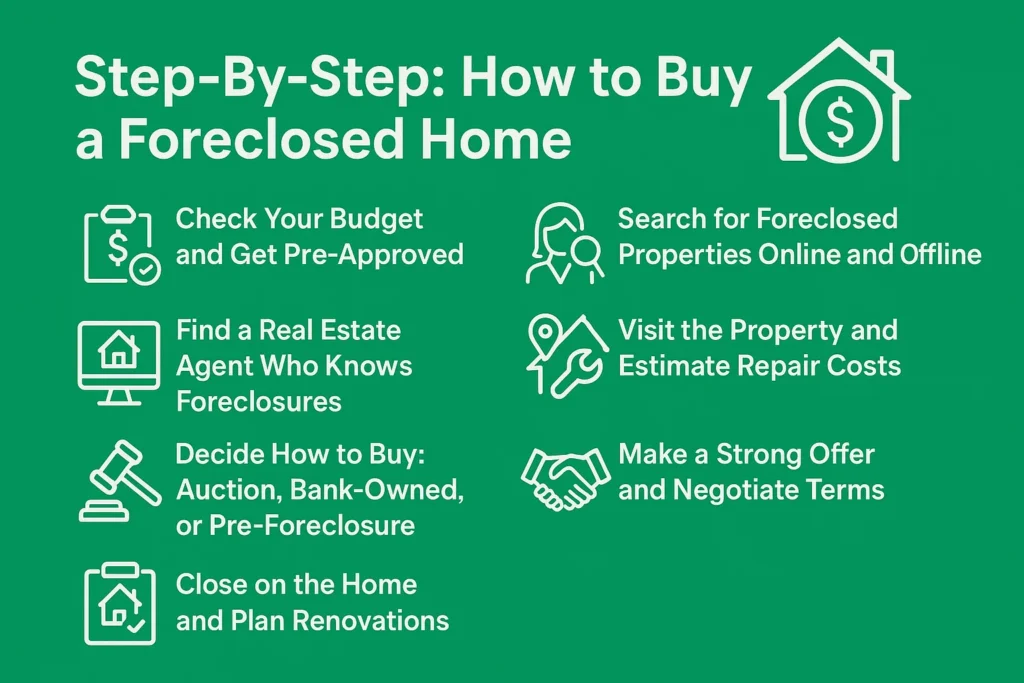
Step-By-Step: How to Buy a Foreclosed Home
Buying a foreclosed home requires careful preparation and a clear plan. Each step helps you understand the property, confirm your budget, and move through the process with confidence. When you follow these steps, you reduce risk and improve your chances of securing a strong deal.
Step 1: Check Your Budget and Get Pre-Approved
Start by reviewing your finances and choosing a comfortable price range. A pre-approval letter shows sellers that you can close without delays. It also helps you move faster when you find the right property.
Step 2: Find a Real Estate Agent Who Knows Foreclosures
Choose an agent who understands foreclosure rules and negotiation strategies. Experienced agents know how banks operate and can guide you through unique challenges. Their insight helps you avoid common mistakes and find the best opportunities.
Step 3: Search for Foreclosed Properties Online and Offline
Look for foreclosed homes on real estate websites, bank-owned listings, auction platforms, and government sites. Many foreclosure deals also appear through local agents. Using multiple search methods helps you find more options and better pricing.
Step 4: Visit the Property and Estimate Repair Costs
Walk through the property with your agent and note visible issues. Estimate repairs with help from a contractor if needed. This step gives you a realistic view of total costs, including updates, safety concerns, and long-term maintenance.
Step 5: Decide How to Buy: Auction, Bank-Owned, or Pre-Foreclosure
Each purchase method follows a different process. Choose based on your comfort level, financing needs, and timeline.
Main options include:
- Auction: Fast sales and strong competition
- Bank-Owned (REO): Standard contracts and flexible timelines
- Pre-Foreclosure: Direct negotiation with the homeowner
Step 6: Make a Strong Offer and Negotiate Terms
Submit an offer based on the property condition, market value, and repair budget. Banks prefer clean offers with fewer delays. You can still negotiate price, closing timeline, and certain terms when you show strong financial readiness.
Step 7: Close on the Home and Plan Renovations
Review your closing documents and complete the purchase. After closing, create a renovation plan that improves safety, comfort, and long-term value. A structured plan helps you turn a foreclosed property into a solid investment.
Financing Options for Foreclosed Homes
Foreclosed properties require the right financing strategy. Some homes need repairs, while others qualify for standard loan programs. Understanding your options helps you choose a loan that fits your budget and your renovation plans.
Conventional Loans and Rehab Loans
A conventional loan works well when the home meets standard condition requirements. A rehab loan, like the FHA 203(k), helps you finance both the purchase price and repairs in a single loan. This option supports buyers who want to renovate the home immediately.
Buying with Cash or Hard Money Financing
Cash buyers often move faster and win competitive foreclosure deals. Hard money loans offer quick approvals for buyers who plan to renovate and sell. These loans work well for experienced investors who understand short-term financing.
Extra Lender Requirements for Distressed Properties
Lenders may set additional rules when a home needs repairs. You may need safety inspections, repair estimates, or escrow accounts for required updates. These requirements protect your investment and support a safe buying process.
Due Diligence Checklist Before You Commit
You protect your budget and reduce risk by conducting thorough due diligence before buying a foreclosed home. This checklist helps you understand legal issues, property condition, and total investment costs. Careful preparation supports a smooth purchase and clear long-term planning.
Title Search, Liens, and Unpaid Taxes
Always confirm the property has a clean title. A title search shows any liens, unpaid taxes, or legal claims that may affect ownership. You avoid major financial issues by addressing these problems before making an offer. This step creates a safe path to closing.
Inspections, Safety Concerns, and Major Repair Risks
Inspect the home carefully to uncover structural issues or safety concerns. Look for roof problems, electrical hazards, plumbing damage, and signs of neglect. You gain a better understanding of repair needs when you bring a qualified inspector. This step helps you avoid costly surprises after closing.
Estimating Total Project Cost: Purchase, Repairs, and Holding Costs
Create a detailed budget that includes purchase price, repair work, and carrying costs. Consider utilities, insurance, taxes, and renovation timelines. A full cost estimate gives you a realistic view of your total investment and supports smart decision-making.
Tips to Succeed When Buying a Foreclosed Home
You can improve your chances of securing a strong foreclosure deal when you follow proven strategies. These tips help you stay competitive, avoid risky properties, and work with the right professionals.
How to Compete with Investors and Cash Offers
Move quickly when you find a good property. Prepare your financing early and submit clean offers with minimal delays. Investors move fast, so clear communication and strong pre-approval help you stay competitive. You gain more leverage when you show the bank that you can close without issues.
Red Flags and When to Walk Away
Walk away from properties with severe structural problems or unclear ownership issues. Watch for signs like foundation damage, extensive mold, or major electrical failures. You protect your budget when you recognize red flags early and focus on safer opportunities.
Building the Right Team: Agent, Lender, and Contractor
A knowledgeable team strengthens your entire foreclosure purchase. Work with an agent who understands foreclosure rules, a lender who supports fast financing, and a contractor who can estimate repair costs accurately. Your team guides you through each step and helps you make confident decisions.
Conclusion
Buying a foreclosed home can create strong value when you understand the process and follow each step carefully. You gain savings, equity potential, and access to properties that may not appear in traditional listings. When you complete due diligence, build the right team, and prepare your financing early, you move through the process with confidence. A clear plan helps you secure the right property and protect your long-term investment.
FAQs
Yes, many foreclosed homes qualify for conventional financing. You may also use rehab loan programs when the property needs repairs.
Not always. Some properties need minor updates, while others require full repairs. A strong inspection helps you understand the true condition.
Yes, many foreclosed homes sell below market value. You can create strong equity when you choose the right property and complete smart improvements.
Review the title, inspect the home, and estimate total repair costs. Walk away when you see major structural issues or unclear ownership records.