This guide covers the top benefits and risks of private home loans to help you decide if they fit your budget.
By understanding the rules set by Fannie Mae and Freddie Mac, you can save money on mortgage insurance and use your loan for investment properties.
We have analyzed the latest 2025 lending data and government guidelines from the Federal Housing Finance Agency (FHFA) to provide a clear path toward owning your next home.
Let’s dive into the pros and cons of conventional loans so you can see if this mortgage is the right choice for your family.
What is a Conventional Loan?
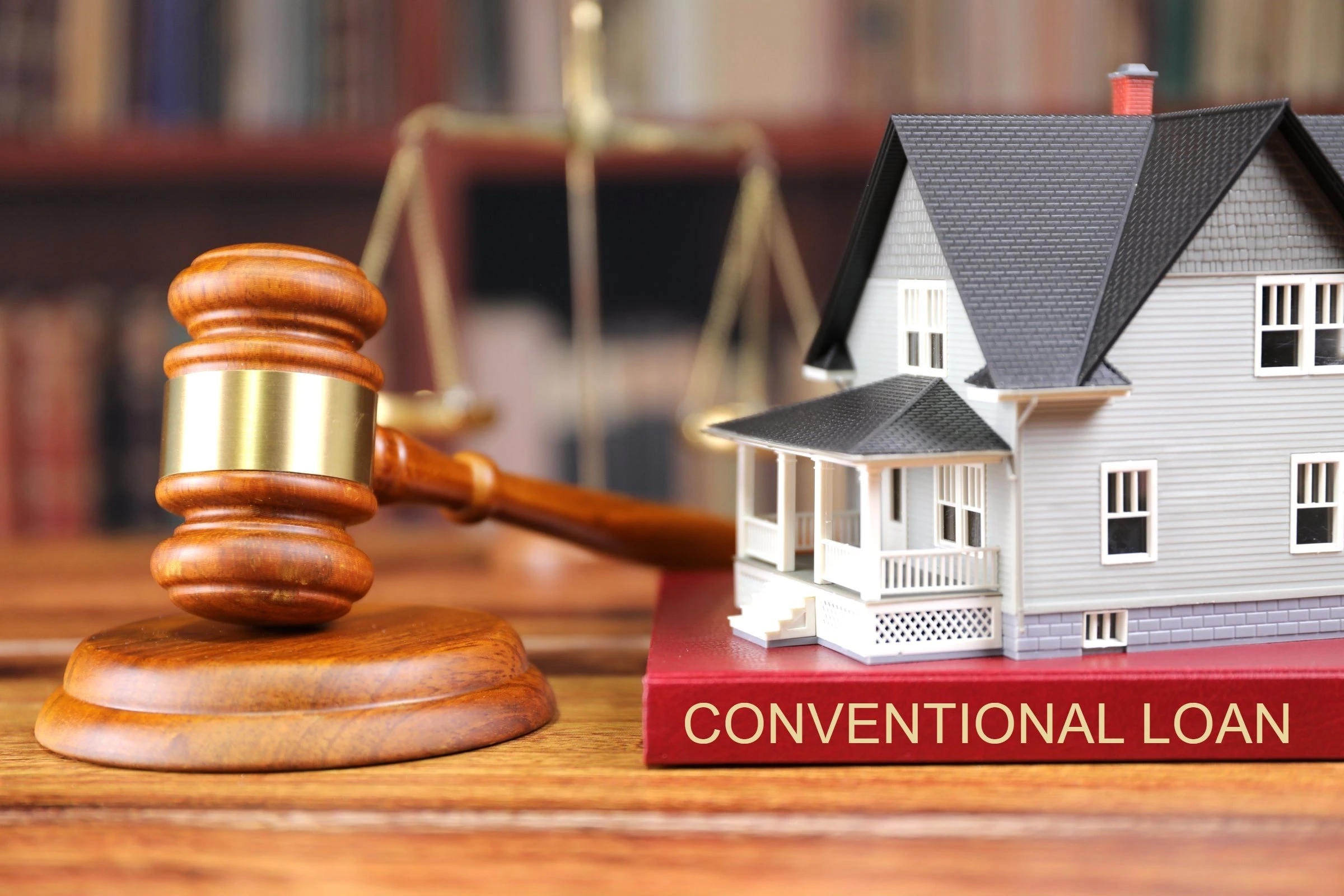
Conventional loans are the most common type of mortgage. They are offered by private lenders like banks and credit unions.
A “conforming” conventional loan meets specific limits and rules set by the Federal Housing Finance Agency (FHFA) to be bought by Fannie Mae or Freddie Mac. The baseline loan limit for most of the U.S. in 2025 is $806,500 for a single-family home.
Pros and Cons of Conventional Loans
A conventional loan is a private mortgage not insured by a government agency like the FHA or VA. Instead, these loans follow guidelines set by two government-sponsored enterprises, Fannie Mae and Freddie Mac.
These guidelines are designed for borrowers with stronger credit histories and larger down payments. If you qualify, a conventional loan is often seen as the preferred and most popular financing choice.
The Major Pros of Conventional Loans
There are many reasons why borrowers with good credit choose a conventional mortgage.
1. You Can Cancel Private Mortgage Insurance (PMI)
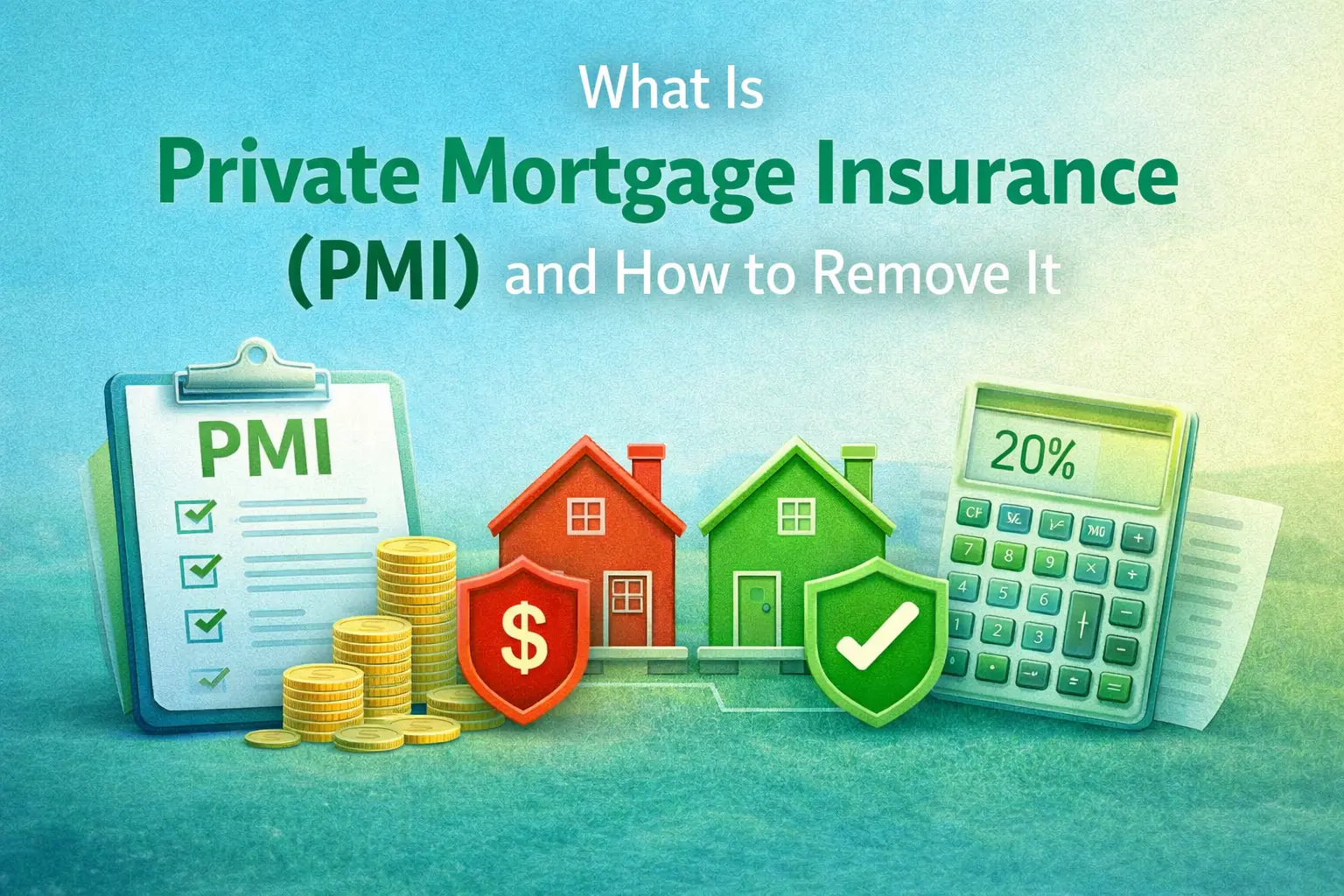
This is a major benefit. If you put down less than 20%, you pay PMI. The good news is you can request to cancel PMI once your loan balance reaches 80% of your home’s original value.
The lender must automatically cancel it when it drops to 78%. This is different from FHA loans, where insurance often lasts forever.
“Tired of paying for mortgage insurance? Our experts specialize in conventional loans that let you cancel PMI and keep more money in your pocket.”
2. Use for Many Property Types
Unlike FHA loans, conventional loans offer great flexibility:
- Primary residences
- Vacation homes or second homes
- Investment properties (rentals)
3. Flexible Down Payment Options
You do not always need 20% down. First-time homebuyers can get a conventional loan with as little as 3% down through special programs like Fannie Mae’s HomeReady or Freddie Mac’s Home Possible.
4. Higher Loan Limits
You can often borrow more with a conventional loan than with an FHA loan. The standard conforming loan limit for a one-unit home in most U.S. counties is $806,500 in 2025.
In high-cost areas like parts of California or New York City, limits go up to $1,209,750.
5. Stricter Property Standards are Avoided
FHA loans have tough property standards (Minimum Property Standards). Conventional loans only require an appraisal to confirm the market value, making them more attractive to sellers who want a faster, smoother closing process without worrying about small repairs.
“Ready to move into your dream home? With our fast approval process and flexible conventional loan options, we make homebuying simple.”
The Major Cons of Conventional Loans
These loans are not for everyone. They come with stricter rules that can be difficult for some buyers to meet.
1. Higher Credit Score Requirement
You generally need a higher credit score than for a government-backed loan. The minimum credit score for a conventional loan is usually 620 or higher. Having a score above 720 is often needed to get the best interest rates and lowest PMI costs.
2. More Money Needed Upfront
While 3% down is possible, you need to save more cash upfront to avoid PMI. You need a 20% down payment to skip mortgage insurance entirely.
3. Harder to Qualify with Financial Hardship
If you have had a past bankruptcy or foreclosure, the waiting periods to qualify for a conventional loan are often longer than those for FHA loans.
4. Potentially Higher Overall Monthly Cost (for some)
For borrowers with lower credit scores (e.g., 630), an FHA loan might offer a slightly better interest rate or lower overall monthly cost than a conventional loan with high PMI fees. It is important to compare personalized quotes.
Conventional vs. FHA Loans
| Feature | Conventional Loan | FHA Loan |
|---|---|---|
| Min. Credit Score | 620 | 500 (with 10% down) |
| Min. Down Payment | 3% | 3.5% (with 580+ score) |
| Mortgage Insurance | PMI is cancellable | MIP usually for life |
| Property Use | Primary, second home, investment | Primary residence only |
| 2025 Loan Limit (most areas) | $806,500 | $524,225 |
Conclusion
In summary, conventional loans are an excellent option if you have strong credit and a plan to build equity quickly. The primary benefit is the ability to cancel Private Mortgage Insurance (PMI) once you reach 20% equity, saving significant money over the loan’s life.
While they have stricter approval standards than FHA loans, their flexibility for investment properties and higher loan limits makes them a top choice. By reviewing guidelines from the FHFA website, you can determine if a conventional loan is the most cost-effective path to achieving your homeownership goals.
Read More Pros and Cons of FHA Loans
Frequently Asked Questions
What government sites provide information on conventional loans?
Conventional loans follow guidelines set by government-sponsored enterprises. You can find official information on the Federal Housing Finance Agency (FHFA) website and the websites for Fannie Mae and Freddie Mac.
What are conforming loan limits in 2025?
In most parts of the U.S., the limit for a single-family home is $806,500. You can view specific limits for your county using the FHFA Loan Limit Map tool.
Can I use gift funds for my down payment?
Yes, gift funds from a family member or charity are allowed for the down payment on a primary residence conventional loan.
Do I need a home inspection?
A home inspection is not required by the lender for a conventional loan, but it is highly recommended to protect yourself as the buyer.