
VA loans are a powerful tool for military members to buy a home with zero money down and no monthly insurance fees.
This guide will show you exactly how to use this benefit to save money while avoiding common traps.
Below is a clear look at the pros and cons of VA loans to help you decide if this path is right for your family.
Understanding the Pros and Cons of VA Loans
The VA home loan program was created in 1944. Its goal was to help veterans returning from war find a place to live.
Today, it remains one of the best ways to build wealth. Because the Department of Veterans Affairs guarantees a portion of the loan, lenders feel safe offering great terms.
However, “no money down” does not mean “free.” It is important to look at every detail of this mortgage type before you sign the paperwork.
The Major Pros of VA Loans
When you look at the pros and cons of VA loans, the benefits usually stand out first. These perks are designed to remove the biggest hurdles to homeownership.
1. No Down Payment Required
For most people, saving for a down payment is the hardest part of buying a house. A regular loan often asks for 3% to 20%. On a $400,000 home, that is $12,000 to $80,000.
With a VA loan, that requirement is gone. You can keep your savings in the bank for emergencies or furniture.
2. No Monthly Mortgage Insurance
If you put less than 20% down on a standard loan, you must pay Private Mortgage Insurance (PMI).
This protects the bank, not you. It can cost hundreds of dollars every month. VA loans do not have PMI. This means more of your money goes toward paying off your actual house every month.
3. Lower Average Interest Rates
Banks often give veterans a lower interest rate. Even a small drop in a rate, like 0.5%, can save you tens of thousands of dollars over the 30-year life of the loan.
This makes the monthly mortgage payment much easier to manage on a fixed budget.
4. Limited Closing Costs
The VA has strict rules about what a veteran can be charged. There are “non-allowable” fees that the lender cannot make you pay.
This keeps your out-of-pocket costs low when you sit down to sign the final papers.
5. Forgiving Credit Standards
You do not need a “perfect” credit score. While the VA doesn’t set a minimum, most lenders look for a score around 620.
This is much lower than what is required for many other low-down-payment programs.
The benefits of a zero-down mortgage are clear, but every veteran’s service history is unique. Before you start house hunting, it is vital to know exactly how much "entitlement" you have available.
The Common Cons of VA Loans
To be honest, no loan is perfect. There are some downsides to consider when looking at the pros and cons of VA loans.
1. The VA Funding Fee
Since there is no monthly insurance, the VA charges a one-time “Funding Fee”. This fee helps keep the program running for future veterans.
It is usually added to the total loan amount, so you don’t have to pay it in cash, but it does increase your total debt.
2. Strict Appraisal and Safety Standards
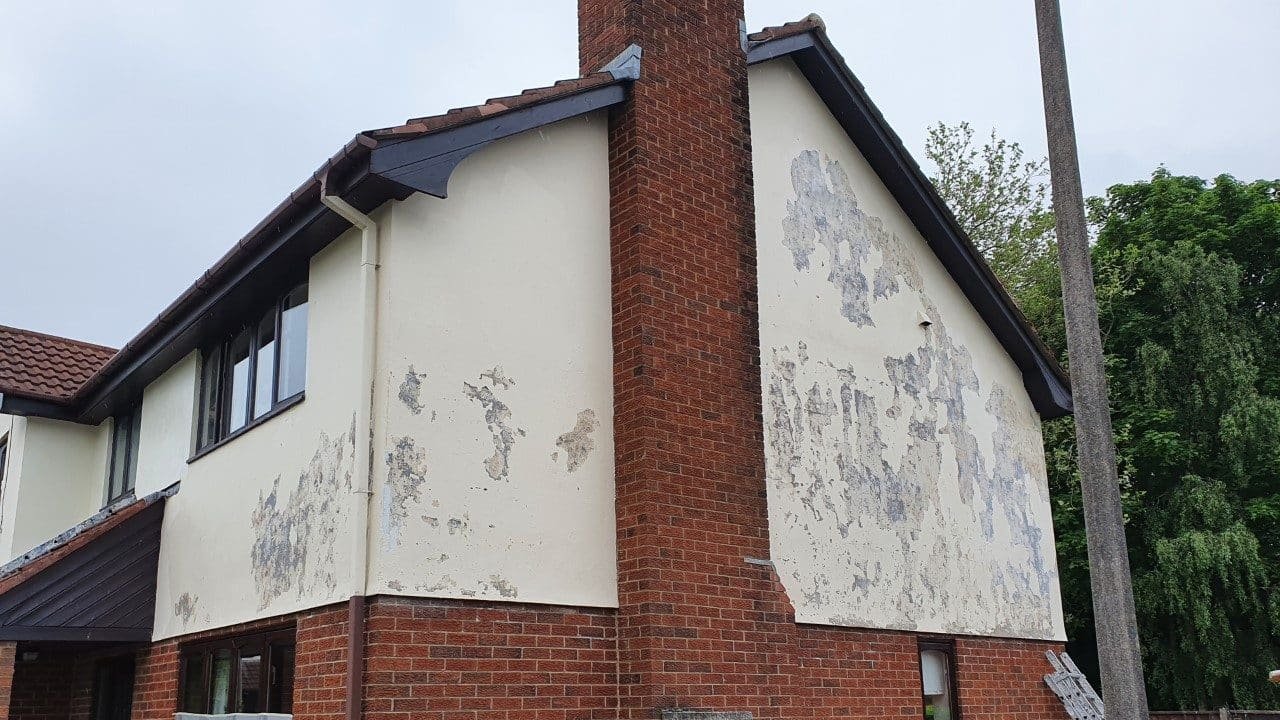
The VA wants to ensure you are buying a safe home. A VA appraiser will check the house for “Minimum Property Requirements” (MPRs).
If the roof is old, the paint is peeling, or the heater doesn’t work, the VA will require repairs before the loan can close. This can make it hard to buy “fixer-upper” homes.
3. Only for Primary Residences
You cannot use a VA loan to buy a beach house for vacations or a rental property to flip for profit. You must intend to live in the home as your main house.
4. Zero Equity Risk
If you put 0% down, you have no “equity” (ownership value) in the home on day one. If the housing market dips and home prices fall, you could end up owing the bank more than the house is worth. This is called being “underwater.”
5. Competitive Market Struggles
In very busy housing markets, some sellers prefer “cash” or “conventional” buyers. They may wrongly believe that VA loans take too long to close or that the appraisal is too picky.
This can sometimes make it harder to get your offer accepted.
The strict safety rules of a VA loan can feel like a hurdle, but they are actually designed to protect you from buying a 'money pit.' Our team specializes in navigating these VA requirements to ensure your closing stays on track.
VA Loan Costs and Funding Fee Numbers
It is important to look at the math. The funding fee changes based on how much money you put down and if you have used the benefit before.
According to VA.gov official tables, these are the percentages for 2025:
| Type of User | Down Payment | Fee for First Use | Fee for Subsequent Use |
| Veteran / Active Duty | 0% to 4.9% | 2.15% | 3.30% |
| Veteran / Active Duty | 5% to 9.9% | 1.50% | 1.50% |
| Veteran / Active Duty | 10% or more | 1.25% | 1.25% |
Note: If you receive VA disability compensation, you usually do not have to pay this fee at all. This makes the loan even more affordable.
How the VA Loan Process Works
If the pros and cons of VA loans seem to lean in your favor, here is how you move forward.
Step 1: Get Your COE
The Certificate of Eligibility (COE) is the golden ticket. It tells the lender that you have served the required amount of time.
You can get this through the VA eBenefits portal or ask your lender to pull it for you.
Step 2: Pre-Approval
Before you look at houses, a lender will check your income and credit. They will tell you exactly how much house you can afford.
This prevents you from falling in love with a home that costs too much.
Step 3: Find a VA-Friendly Realtor
Not all real estate agents understand military life or VA rules. Find someone who knows how to negotiate for things like "seller concessions" (where the seller pays your closing costs).
Step 4: The VA Appraisal
Once you find a home, the bank orders an appraisal. The appraiser makes sure the price is fair and the house meets safety rules.
If the house fails for something small, like a missing handrail, you can ask the seller to fix it.
Comparing VA Loans to Other Options
| Feature | VA Loan | Conventional Loan | FHA Loan |
| Down Payment | 0% | 3% – 20% | 3.5% |
| Monthly Insurance | None | Required under 20% | Always Required |
| Credit Score | Flexible (620 typical) | Strict (680+) | Very Flexible (580) |
| Interest Rate | Usually Lowest | Higher | Moderate |
Conclusion
The VA loan is a thank-you gift from the country for your service. While the funding fee and strict appraisals are small hurdles, the ability to buy a home with no money down and no monthly insurance is a massive win. For most veterans, it is the clear choice for building a stable future.
Read More Pros and Cons of Conventional Loans
Frequently Asked Questions
Can I have two VA loans at once?
Yes, it is possible. This often happens if a service member moves (PCS) to a new base but keeps their old home as a rental. You just have to have enough “entitlement” left over.
Does the VA loan expire?
No. Once you have earned the benefit, it is yours for life. You can use it when you are 25 or when you are 85.
Are there limits on how much I can borrow?
If you have your full entitlement, there is no “limit” set by the VA. However, the bank will still only lend you what your income can support.
What if I can’t pay my mortgage later?
The VA has teams to help veterans avoid foreclosure. They can work with your bank to find a plan to keep you in your home. This is a safety net other loans do not offer.
Can I buy a condo with a VA loan?
Yes, but the condo complex must be on the “VA Approved” list. Your lender can help you check this list quickly.