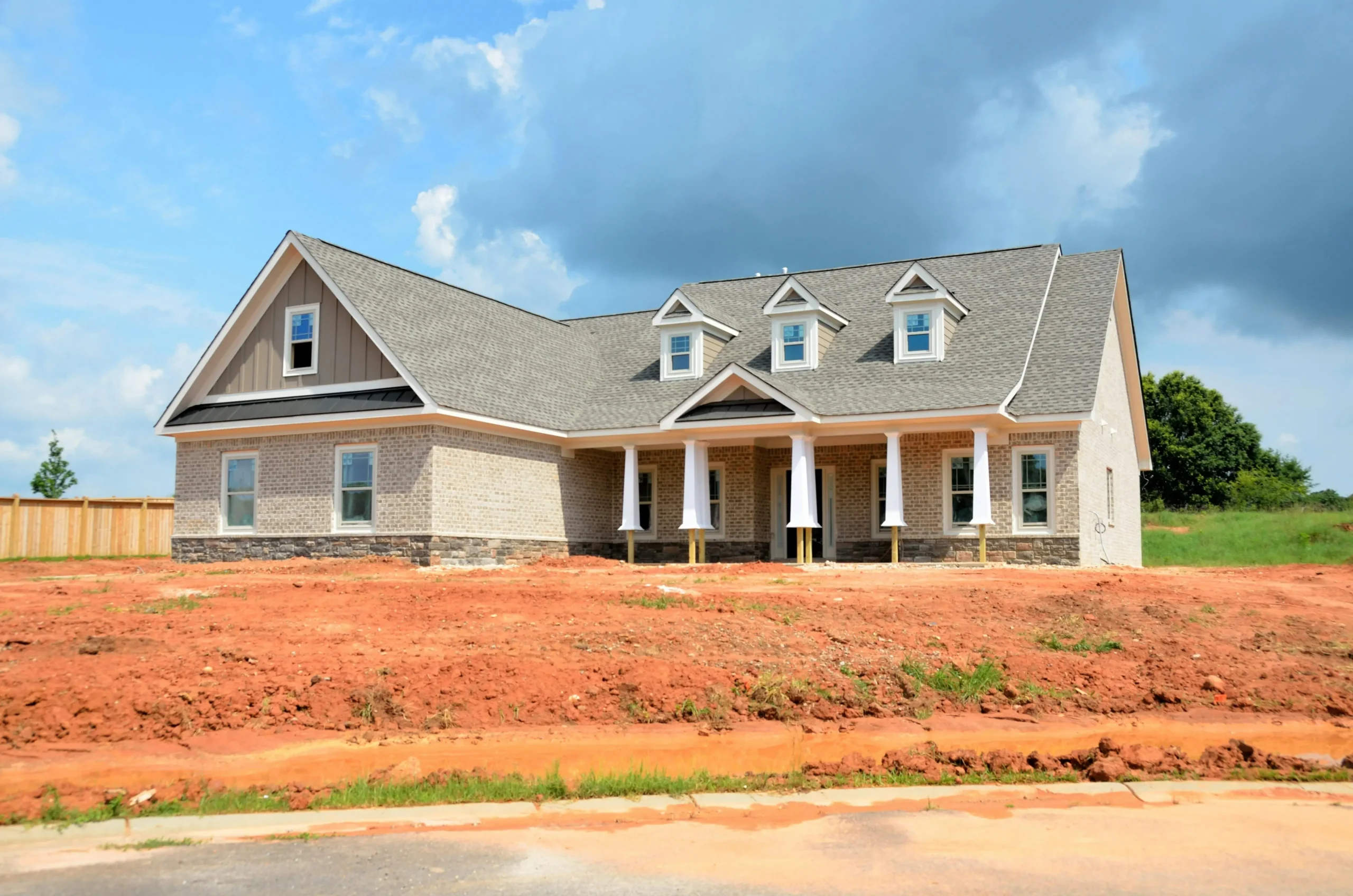
In 2026, we are witnessing a “Great Inversion” in the American housing market: New construction is now frequently cheaper than buying a resale home.
For decades, new homes carried a “premium” of 10% to 15% because they were fresh and modern. However, data from early 2026 shows that the median price of a new home is actually $33,500 to $40,000 less than a similar existing home in many U.S. markets.
Here is the breakdown of why new construction is cheaper than resale right now and how you can use this rare window to save thousands.
Why New Construction is Cheaper Than Resale
1. Builder “Incentive” Wars
Unlike individual homeowners who might wait months for their "dream price," homebuilders are businesses that must move inventory to stay profitable. In 2026, builders are sitting on the highest levels of "quick move-in" inventory since 2009.
- The Rate Buydown: This is the #1 reason new is cheaper. While resale sellers can’t easily change your interest rate, builders are offering 30-year fixed rates as low as 4.5% to 5.2% (when the market is at 6%+) by paying the bank upfront for you.
- Closing Cost Credits: Many builders are currently covering 100% of closing costs, saving you an extra $10,000 to $15,000 at the finish line.
2. The “Shrink-to-Fit” Strategy
To battle affordability, 2026 builders have pivoted to smaller, more efficient floor plans.
- The Tiny Footprint: By slightly reducing square footage and lot sizes, builders can list homes for under $400,000 in areas where older, larger resale homes are stuck at $450,000+.
- Modern Efficiency: You aren’t just paying for space; you’re paying for design. A 1,800 sq. ft. new home with an open layout often feels larger and more functional than a 2,200 sq. ft. house built in 1990.
3. The “Sticker Price” vs. “Maintenance Price”
When asking why new construction is cheaper than resale, you have to look at the first five years of ownership.
- Resale “Surprise” Costs: Buying a resale home in 2026 often means inherited problems. A new roof ($15k), a new HVAC ($8k), or a water heater ($2k) can quickly turn a “deal” into a financial nightmare.
- Builder Warranties: New homes come with a “bumper-to-bumper” warranty for the first year and structural coverage for up to 10 years. Your out-of-pocket maintenance cost for the first five years is virtually $0.
4. The Regional Advantage: South and West
The trend of why new construction is cheaper than resale is strongest in the South and West USA.
- In states like Texas, Florida, and Arizona, builders have “flooded the zone” with new supply.
- In these regions, the price per square foot for a new build is often $3 to $10 lower than a pre-owned home.
5. Energy Efficiency = Lower Monthly Cost
In 2026, home insurance and utility rates have hit record highs.
- The Solar/Insulation Edge: New homes must meet 2026 energy codes. High-performance windows and spray-foam insulation can save you $200 a month on electricity.
- Insurance Discounts: Many insurance companies offer lower premiums for new builds because the risk of fire or pipe bursts is significantly lower.
New Construction vs. Resale: 2026 Cost Comparison
| Cost Factor | New Construction (2026) | Existing Resale Home |
| Typical Mortgage Rate | 4.9% – 5.5% (With Incentives) | 6.2% – 6.8% (Market Rate) |
| Closing Costs | Often $0 (Paid by Builder) | 2% – 5% (Paid by Buyer) |
| Energy Bills | 20-30% Lower (New Tech) | Higher (Older Insulation) |
| Immediate Repairs | None | Average $5k – $15k in Year 1 |
| Total Value | Cheaper Overall | Higher Initial Price |
Conclusion:
If you are looking for the absolute lowest monthly payment, the answer is clear. Between the mortgage rate buydowns, the lack of repairs, and the competitive listing prices, new construction is the “value play” of 2026.
Stop fighting over old houses with old problems and look at what the builders are offering.
Read More Rent vs. Buy in 2026: The Break-Even Number Every Renter
Frequently Asked Questions
Are builders cutting corners to lower the price?
No, building codes in 2026 are stricter than ever. Builders are lowering prices by trimming their profit margins and building on cheaper land further from city centers, not by using “cheap” materials.
Can I still negotiate with a builder?
Yes! Since they have “standing inventory” (homes already finished), you can often negotiate for free upgrades like quartz countertops, finished basements, or backyard landscaping.