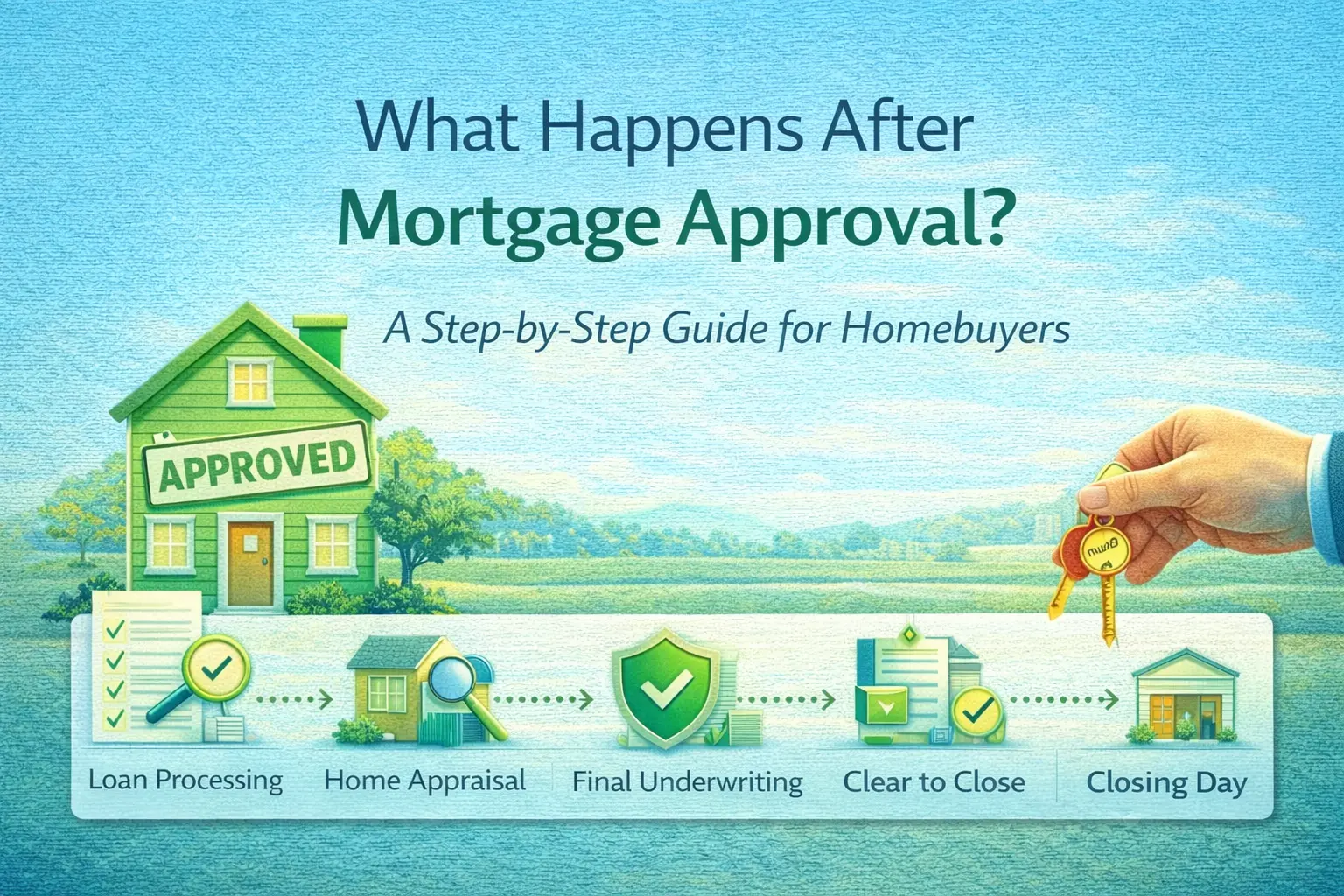
Getting mortgage approval is an exciting step in the homebuying process. However, many buyers still wonder what happens after mortgage approval and what steps remain before they receive the keys to their new home.
Mortgage approval means the lender has reviewed your finances and determined that you qualify for the loan.
But before closing, several final steps must be completed to ensure everything is accurate and ready for funding.
Understanding what happens next can help you avoid delays and keep the homebuying process smooth.
Get Pre-Approved for Your Home Loan Today
What Happens After Mortgage Approval
Once your mortgage is approved, the process moves toward closing. During this stage, the lender verifies details, prepares documents, and schedules the final signing.
Here are the main steps that happen after mortgage approval.
1. Home Appraisal
A home appraisal confirms the property’s market value.
The lender orders an appraisal to make sure the home’s value supports the loan amount.
The appraiser evaluates factors such as:
- Property condition
- Home size and features
- Comparable home sales
- Location and neighborhood
If the home appraises at or above the purchase price, the loan can move forward.
2. Title Search and Title Insurance
A title company checks the property records to ensure there are no legal claims or ownership issues.
The title search verifies that:
- The seller legally owns the home
- There are no unpaid liens or taxes
- The property can be transferred to the buyer
Title insurance protects both the buyer and lender from potential legal issues related to ownership.
3. Final Loan Underwriting
Even after mortgage approval, the lender may complete a final underwriting review.
This step confirms that nothing in your financial situation has changed.
The lender may verify:
- Employment status
- Income documentation
- Credit activity
- Bank account balances
It is important not to make major financial changes during this time.
4. Closing Disclosure
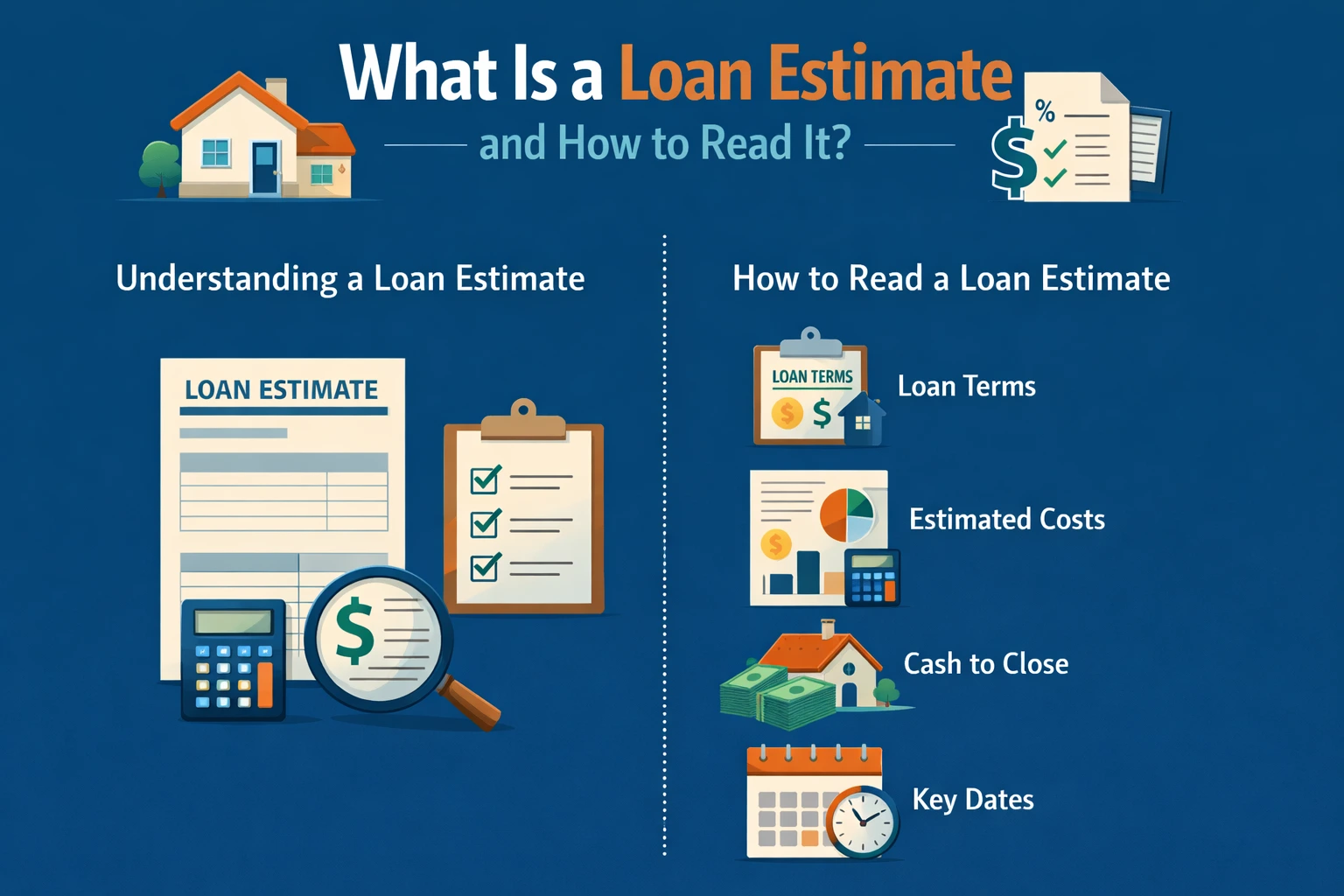
Before closing, the lender sends a Closing Disclosure (CD).
This document provides the final details of the loan, including:
- Loan amount
- Interest rate
- Monthly payment
- Closing costs
- Taxes and insurance
Borrowers must receive this document at least three business days before closing.
5. Final Walkthrough
Buyers usually perform a final walkthrough of the property shortly before closing.
This ensures:
- The property condition has not changed
- Agreed repairs are completed
- The home is ready for move-in
The walkthrough protects the buyer before the final purchase is completed.
6. Mortgage Closing
The closing is the final step of the mortgage process.
During closing, buyers will:
- Sign the mortgage documents
- Pay closing costs
- Finalize the loan agreement
After the paperwork is completed, the lender releases the funds to the seller.
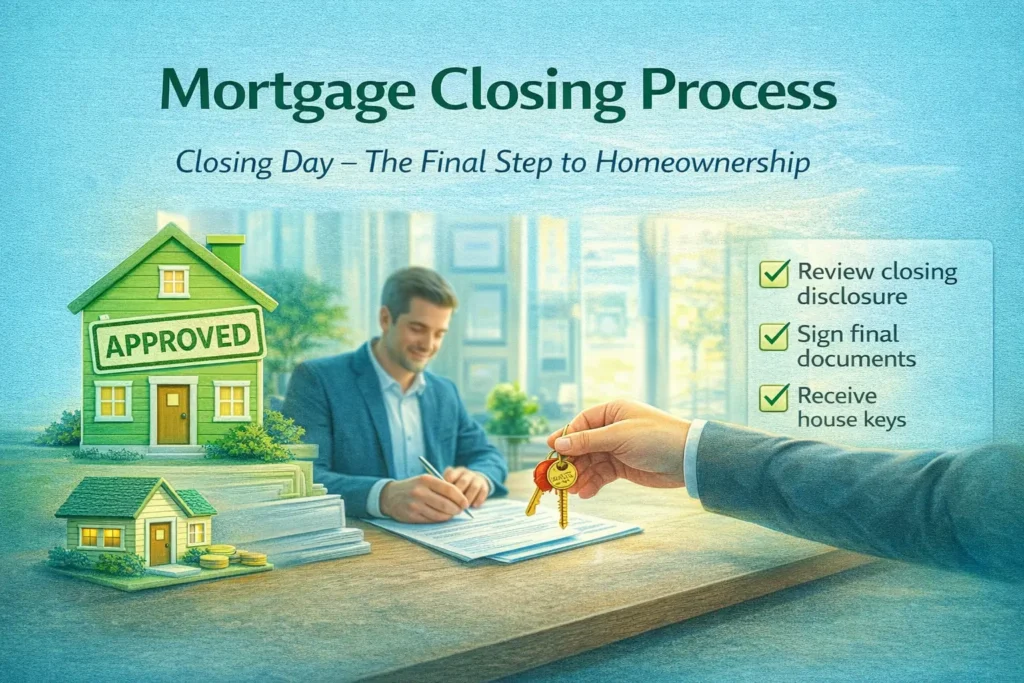
7. Getting the Keys to Your New Home
Once the transaction is recorded with the local government office, the purchase becomes official.
At this point, buyers receive the keys to their new home and can begin moving in.
What Not to Do After Mortgage Approval
Many homebuyers make financial changes after loan approval, which can delay closing.
To avoid problems, do not:
- Open new credit cards
- Take out new loans
- Make large purchases
- Change jobs suddenly
- Move large amounts of money between accounts
Keeping your finances stable ensures the loan closes smoothly.
How Mortgage Experts Help After Approval
Even after approval, mortgage professionals help guide borrowers through the final steps.
Mortgage experts assist with:
- Coordinating appraisal and documentation
- Reviewing closing disclosures
- Preparing for closing day
- Answering last-minute questions
Need guidance after your mortgage approval? Our specialists can help ensure a smooth closing process and answer any final questions before you move into your new home.
Conclusion
Understanding what happens after mortgage approval helps buyers prepare for the final stages of the homebuying process.
From appraisal and underwriting to closing and receiving the keys, each step brings you closer to homeownership.
By keeping your finances stable and working closely with your lender, you can ensure a smooth and successful closing.
Read More What Is Debt-to-Income Ratio (DTI)? Why It Matters for Mortgages
FAQs
How long does closing take after mortgage approval?
Most closings happen within 1–3 weeks after final approval, depending on appraisal and document preparation.
Can a mortgage be denied after approval?
Yes, but it is uncommon. It may happen if there are major financial changes or verification issues before closing.
What is the final step after mortgage approval?
The final step is closing, where you sign documents and the lender releases the loan funds.
Can I make purchases after mortgage approval?
It is best to avoid major purchases until after closing because lenders may recheck your credit and financial status.