

Mortgage underwriters look at your income, credit, debt, assets, and the property to assess risk.
Mortgage underwriting is a key step in the home loan process. It’s where the lender carefully reviews your finances to decide if you qualify for a mortgage.
What Is a Mortgage Underwriter?
A mortgage underwriter is a professional who evaluates your loan application.
Their goal is to make sure:
- You can repay the loan
- Your financial profile meets lender guidelines
- The property is worth the loan amount
What Do Mortgage Underwriters Look For?
Underwriters focus on five main areas:
1. Income and Employment
Underwriters verify that you have stable and reliable income.
They review:
- Pay stubs
- Tax returns
- Employment history
- Job stability
Consistent income increases your chances of approval.
2. Credit Score and Credit History
Your credit profile shows how you manage debt.
Underwriters check:
- Credit score
- Payment history
- Credit utilization
- Recent inquiries
Higher credit scores = lower risk for lenders.
3. Debt-to-Income Ratio (DTI)
DTI measures how much of your income goes toward debt payments.
Typical guidelines:
- Below 43% is preferred
- Lower DTI = stronger application
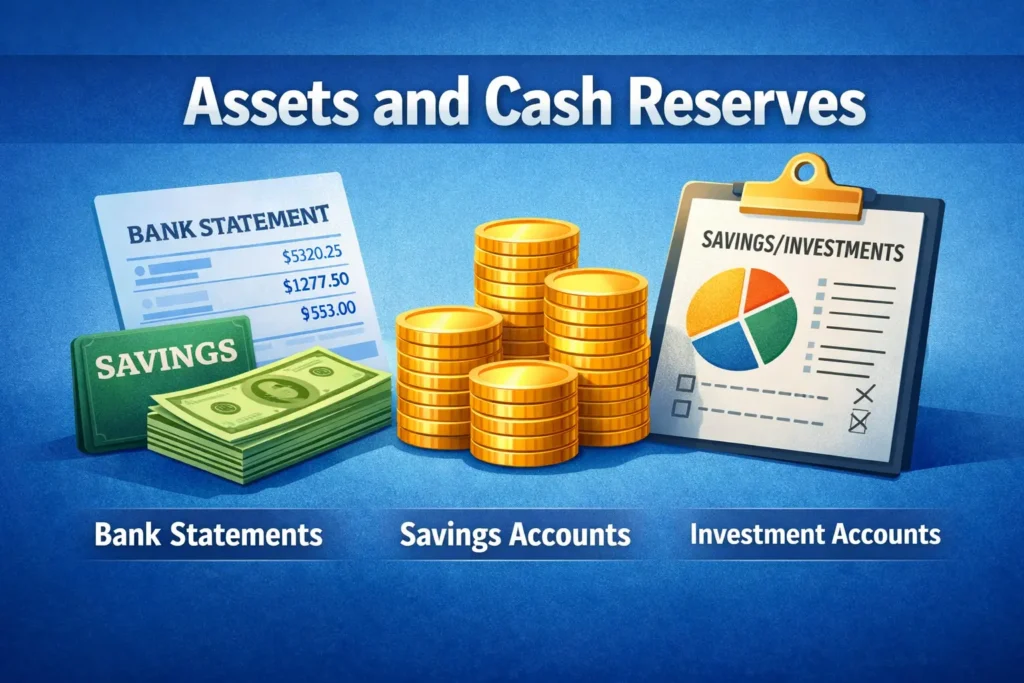
4. Assets and Cash Reserves
Underwriters want to see that you have enough funds for:
- Down payment
- Closing costs
- Emergency reserves
They review:
- Bank statements
- Savings accounts
- Investment accounts
5. Property Appraisal
The lender must confirm the home’s value.
Underwriters review:
- Appraisal report
- Property condition
- Comparable sales
This ensures the property supports the loan amount.
What Happens During the Underwriting Process?
The underwriting process includes:
- Reviewing your application
- Verifying documents
- Requesting additional information
- Issuing conditional approval or final decision
Want to improve your chances of mortgage approval?
✔ Speak With a Mortgage Expert Today
✔ Get Pre-Approved With Confidence
Possible Underwriting Outcomes
After review, you may receive:
1. Approved
Your loan is fully approved.
2. Conditionally Approved
You must provide additional documents before final approval.
3. Denied
Your loan does not meet requirements.
Common Reasons Underwriters Delay Approval
- Missing documents
- Unverified income
- High debt levels
- Large unexplained bank deposits
- Low appraisal value
Tips to Get Approved Faster
You can speed up underwriting by:
- Submitting documents quickly
- Avoiding new debt
- Keeping your job stable
- Maintaining consistent bank balances
Ready to Move Forward With Your Home Loan?
Understanding underwriting helps you avoid delays and get approved faster.
✔ Start Your Mortgage Application
✔ Explore Loan Options That Fit Your Profile
Read More Bridge Loan vs HELOC: Which Is Better?
FAQs
What do underwriters check before approving a mortgage?
They check income, credit, debt, assets, and the property value.
How long does underwriting take?
Usually 3 to 7 days, but it can vary based on documentation.
Can underwriting deny a loan?
Yes, if the borrower does not meet financial or property requirements.
Do underwriters contact your employer?
Yes, lenders often verify employment before final approval.
What is the most important factor in underwriting?
Income stability and debt-to-income ratio are key factors.